





Tel:
+86-0511-88891902

What are you looking for?
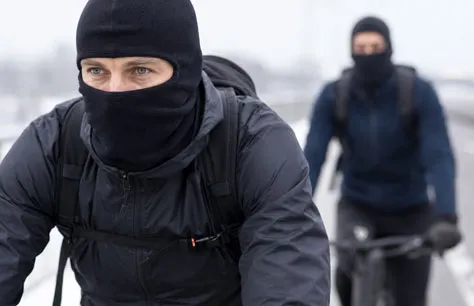
A balaclava is designed to provide full cold-weather protection by covering the head, ears, neck, and part of the face in one integrated winter accessory. Compared with traditional hats or scarves, a balaclava reduces exposed skin areas, helps retain body heat, and provides additional protection against wind, snow, and low temperatures. The best choice depends on the application: fleece balaclavas are preferred for extreme cold and outdoor activities, while knitted balaclavas are often selected for everyday winter wear, fashion collections, and lifestyle markets.
For professional buyers, wholesalers, and brands, selecting the right winter face covering requires evaluating material performance, design structure, climate conditions, and customization requirements. JIBIL specializes in customized winter accessories, providing balaclava solutions for outdoor brands, retailers, promotional companies, and businesses requiring reliable cold-weather products.
Originally developed as protective cold-weather headwear, balaclavas are now widely used in skiing, snowboarding, hiking, cycling, motorcycle riding, winter work environments, and seasonal fashion markets. Their ability to combine warmth, flexibility, and compact design makes them an important category within winter accessory collections.
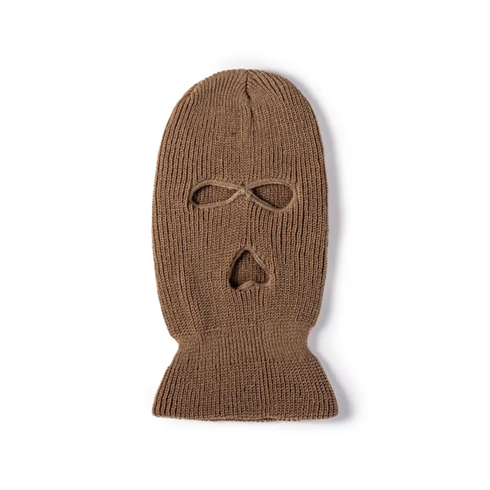
A balaclava is a close-fitting winter face covering that protects the head, neck, ears, and facial area from cold weather conditions. Depending on the design, it may cover the entire face except the eyes, leave the mouth exposed, or provide adjustable coverage for different activities.
Unlike separate winter accessories such as hats, scarves, and neck warmers, balaclavas combine multiple protective functions into one product. This integrated design reduces the need for additional layers while maintaining mobility and comfort.
For outdoor users, the main benefits of balaclavas include:
Heat retention: Covers areas where body heat can escape easily, especially the head and neck.
Wind protection: Reduces direct exposure to cold air during outdoor activities.
Comfortable layering: Fits easily under helmets, hoods, and jackets.
Versatile applications: Suitable for sports, workwear, travel, and daily winter use.
In cold environments, effective protection depends on maintaining insulation while allowing moisture vapor to escape. A well-designed winter face covering should balance warmth, breathability, and comfort.
A balaclava protects against cold weather through three primary mechanisms: coverage, insulation, and moisture management. Exposed areas such as the ears, cheeks, and neck are highly sensitive to cold temperatures, especially during outdoor activities where wind increases heat loss.
| Protection Feature | Performance Function | Typical Applications |
|---|---|---|
| Head Coverage | Helps reduce heat loss from the scalp and upper head | Winter travel, outdoor work |
| Face Coverage | Blocks cold wind and improves comfort | Skiing, cycling, snow activities |
| Neck Protection | Adds insulation around exposed neck areas | Daily winter use, outdoor sports |
| Stretch Fit | Improves comfort and compatibility with helmets | Skiing, motorcycle riding |
| Breathable Construction | Helps reduce moisture accumulation | High-intensity outdoor activities |
For commercial buyers, the performance expectations of a balaclava depend heavily on the target market. A product designed for professional winter workers requires stronger insulation and durability, while a fashion-focused product may prioritize appearance, softness, and styling flexibility.

Material selection determines the warmth, durability, comfort, and market positioning of a balaclava. Different fibers provide different advantages, and professional manufacturers typically select materials based on application requirements.
| Material | Main Characteristics | Recommended Uses |
|---|---|---|
| Polyester | Lightweight, durable, quick drying | Sports and outdoor applications |
| Fleece | Soft texture, high warmth retention | Cold weather and winter sports |
| Acrylic Knit | Flexible, comfortable, color stable | Fashion and retail products |
| Wool Blend | Natural insulation and premium feel | High-end winter collections |
| Thermal Fabric | Enhanced heat retention performance | Extreme cold environments |
Fleece is one of the most widely used materials for winter face coverings because it provides strong insulation while maintaining lightweight comfort. The brushed structure of fleece creates small air spaces that help trap warm air and reduce heat loss.
For outdoor users, fleece balaclavas are especially suitable because they provide:
Excellent thermal insulation
Soft skin contact during long-term wear
Lightweight performance
Quick-drying characteristics
Easy maintenance
These advantages make fleece suitable for skiing, snowboarding, hiking, camping, winter cycling, and cold-weather work environments. Outdoor workers and athletes often choose fleece-based designs because they need consistent protection during extended exposure to low temperatures.
When developing fleece balaclavas for commercial applications, buyers should consider several design factors:
| Design Factor | Importance |
|---|---|
| Fabric Thickness | Determines insulation level and seasonal suitability |
| Stretch Performance | Improves fitting comfort for different users |
| Breathability | Prevents excessive moisture during activities |
| Seam Construction | Improves durability during repeated use |
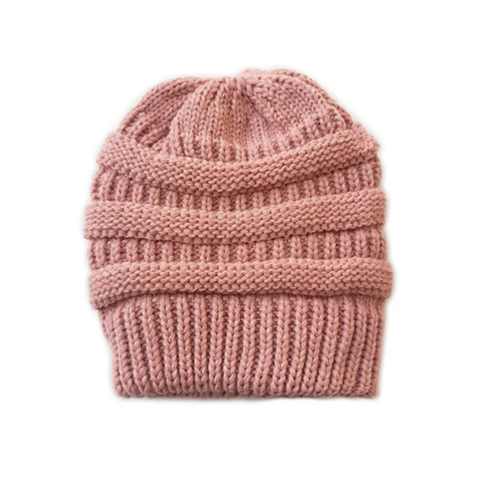
Knitted balaclavas offer a different combination of performance and design flexibility. Instead of focusing only on maximum insulation, knitted structures provide texture, visual appeal, and seasonal fashion value.
Knitted materials allow manufacturers to create different patterns, colors, and textures, making them attractive for fashion brands and retail collections.
A customized knit balaclava can combine winter protection with modern styling, making it suitable for lifestyle brands, seasonal collections, and private-label products.
Design flexibility: Supports different knitting patterns, colors, and textures.
Comfortable fitting: Stretchable structures provide a soft wearing experience.
Fashion compatibility: Suitable for winter apparel collections.
Customization options: Allows brands to create unique product identities.
| Application | Recommended Material | Main Reason |
|---|---|---|
| Skiing and Snowboarding | Fleece or thermal fabric | Provides warmth and wind protection |
| Winter Fashion | Knitted acrylic or wool blend | Offers style flexibility and comfort |
| Outdoor Work | Durable fleece or thermal materials | Supports long-term cold exposure |
| Daily Commuting | Lightweight knitted fabric | Comfortable for regular use |
Balaclava and ski mask are two terms that are often used to describe similar winter face coverings, but their product positioning and typical applications can be slightly different. A balaclava is generally considered a versatile cold-weather accessory designed for head, face, and neck protection, while a ski mask is more commonly associated with winter sports and outdoor performance.
For brands and wholesalers, understanding these differences helps determine the right product direction for different customer groups.
| Feature | Balaclava | Ski Mask |
|---|---|---|
| Primary Purpose | Cold protection and daily winter use | Outdoor sports and extreme weather protection |
| Main Users | Consumers, workers, travelers, lifestyle brands | Skiers, snowboarders, outdoor athletes |
| Design Priority | Comfort, flexibility, warmth | Performance, insulation, weather resistance |
| Common Materials | Knitted fabrics, fleece, wool blends | Thermal fabrics, fleece, technical materials |
| Market Position | Fashion + functional accessory | Professional outdoor equipment |
Although the terms are sometimes interchangeable in consumer searches, professional buyers should focus on the actual product specifications rather than the name alone. Material quality, coverage design, and intended use determine whether a winter face covering will meet customer expectations.
Ski masks are designed for environments where users face low temperatures, strong wind, and continuous outdoor exposure. The most important performance requirements include thermal insulation, moisture control, helmet compatibility, and comfortable long-term wearing.
For ski resorts, outdoor equipment brands, and winter sports retailers, important product features include:
Full face and neck coverage
Breathable mouth and nose areas
Soft inner fabric construction
Helmet-compatible fitting
Wind-resistant outer layers
For businesses developing winter sports collections, ski balaclava solutions provide opportunities to create customized products for skiing, snowboarding, cycling, and outdoor adventure markets.
Selecting the right balaclava requires understanding the target users and the environment where the product will be used. A product suitable for urban winter fashion may not provide enough protection for mountain activities or industrial environments.
Skiing and snowboarding require products that provide warmth without limiting movement. Since users often wear helmets and goggles, the balaclava should provide a close but comfortable fit.
Recommended features include:
Lightweight thermal insulation
Low-profile construction
Moisture-wicking fabric
Soft seams to prevent irritation
Compatibility with helmets and goggles
Professional winter sports users usually prefer performance-focused designs rather than decorative styles because comfort and protection directly affect outdoor experience.
Hikers and outdoor enthusiasts need winter accessories that balance warmth and breathability. Excessive insulation may cause discomfort during physical activity, while insufficient protection may lead to rapid heat loss.
For hiking applications, buyers should consider:
| Requirement | Recommended Solution |
|---|---|
| Cold Protection | Fleece lining or thermal fabric |
| Breathability | Moisture-control materials |
| Comfort | Stretch construction and soft seams |
| Portability | Lightweight and compact design |
Motorcycle riders and outdoor workers often face direct wind exposure, making face and neck protection especially important. A suitable balaclava should reduce wind penetration while remaining comfortable under helmets.
Important features include:
Wind-resistant materials
Close-fitting design
Flat seams
Breathable face panels
In recent years, balaclavas have become increasingly popular in fashion markets because they combine practicality with distinctive visual identity. Fashion brands often use knitted designs, unique colors, and customized patterns to create seasonal winter collections.
Retail-focused buyers usually prioritize:
Appearance and styling
Color trends
Material comfort
Brand customization
Packaging presentation
Bulk purchasing requires more than choosing a design. Businesses need to evaluate production capability, material consistency, customization options, and supplier reliability.
For wholesale orders, material consistency is essential because variations between production batches can affect product appearance and customer satisfaction.
Professional suppliers should control:
Fabric composition
Color accuracy
Size specifications
Stretch performance
Finishing quality
Customization allows brands to differentiate their winter accessories and build stronger market recognition. Depending on the product structure, manufacturers can provide different customization solutions.
| Customization Method | Suitable Products | Benefits |
|---|---|---|
| Embroidery | Knitted balaclavas | Premium appearance and durability |
| Logo Printing | Fleece and polyester styles | Suitable for promotional programs |
| Jacquard Knitting | Fashion-oriented designs | Creates integrated patterns |
| Custom Labels | All product types | Improves brand recognition |
JIBIL provides customized winter accessory solutions for global brands, wholesalers, retailers, and promotional companies. The company focuses on developing products that combine practical cold-weather protection with commercial customization requirements.
From material selection to final production, JIBIL supports customers with flexible manufacturing solutions based on different market needs.
| Capability | Customer Benefit |
|---|---|
| Multiple Material Choices | Allows products to match different climates and applications |
| OEM Customization | Supports private label and branded winter accessories |
| Flexible Design Development | Helps brands create differentiated products |
| Bulk Production Experience | Supports seasonal inventory planning |
| Quality Management | Ensures consistent product performance |
Choosing a reliable manufacturing partner is important for brands that need stable product quality and efficient seasonal supply. JIBIL combines winter accessory experience with customization capability to help customers develop products suitable for different markets.
The company supports:
Outdoor product development
Fashion winter collections
Promotional accessory programs
Wholesale supply projects
Private-label solutions
Selecting a supplier requires evaluating manufacturing experience, product quality, customization capability, and communication efficiency. A professional supplier should understand both technical requirements and market expectations.
For businesses planning seasonal winter collections, choosing reliable balaclava wholesale solutions helps ensure stable production, consistent quality, and flexible customization options.
Important supplier evaluation factors include:
Experience in winter accessory manufacturing
Ability to support customized designs
Stable material sourcing
Quality inspection processes
Capacity for repeat bulk orders
The winter accessory market continues to develop as consumers and brands look for products that combine performance, comfort, and modern design. Future balaclava trends are expected to focus on multifunctional designs, sustainable materials, improved thermal performance, and personalized customization.
Eco-friendly and recycled fabrics
Lightweight thermal materials
Multi-purpose outdoor designs
Fashion-focused winter accessories
Customized brand collections
Manufacturers that understand both technical performance and market trends will be better positioned to support brands developing competitive winter products.
Yes. Balaclavas are specifically designed for cold-weather protection because they cover multiple exposed areas, including the head, ears, neck, and face. Compared with traditional winter hats or scarves, they provide more complete coverage and help reduce heat loss in low-temperature environments.
For extreme cold conditions, buyers should select products made from fleece, thermal fabrics, or wool blends with suitable thickness and insulation performance. Outdoor users should also consider breathability and moisture management to maintain comfort during long periods of activity.
The best material depends on the application and environment. Fleece is commonly preferred for skiing, hiking, and outdoor work because it provides excellent warmth while remaining lightweight. Knitted materials are popular for fashion collections and daily winter wear because they offer flexibility, comfort, and design variety.
For professional winter products, manufacturers often combine different material advantages, such as using thermal fabrics for insulation, fleece for softness, or stretch fibers for improved fitting performance.
A balaclava is a general winter face-covering product designed for warmth and protection, while a ski mask is often associated with snow sports and outdoor performance. In many consumer markets, the two terms may describe similar products, but their positioning can vary depending on design and application.
For brands and wholesalers, product specifications such as material, coverage, insulation level, and intended use are more important than the product name alone.
Yes. Balaclavas can be customized through different methods depending on the material and product structure. Common customization options include embroidery, logo printing, woven labels, jacquard patterns, custom colors, and packaging solutions.
For fashion brands, customized knitting patterns and colors can help create unique winter collections. For promotional companies, logo printing and cost-effective materials are often preferred for large-scale campaigns.
Yes. Balaclavas are widely used in skiing, snowboarding, hiking, cycling, and other outdoor activities because they provide additional protection against wind and cold temperatures.
For active sports, users should choose designs with breathable construction, moisture control, comfortable stretch, and compatibility with helmets or other equipment.
Businesses should evaluate several factors when selecting a balaclava supplier, including manufacturing experience, material options, customization capability, quality control, and production capacity.
A reliable supplier should be able to provide consistent product quality, support different design requirements, and manage seasonal bulk orders efficiently. Long-term cooperation with an experienced manufacturer can help brands reduce production risks and improve market competitiveness.
Balaclavas have become an important winter accessory because they provide comprehensive protection against cold weather, wind exposure, and demanding outdoor conditions. Unlike traditional winter accessories that protect only individual areas, balaclavas combine head, face, and neck coverage into one practical solution.
The right balaclava depends on the intended application. Fleece and thermal materials are ideal for outdoor sports, extreme cold environments, and professional winter work, while knitted designs provide greater flexibility for fashion collections and everyday winter markets.
For brands, wholesalers, and retailers, successful winter accessory development requires careful consideration of material performance, product design, customization options, and supplier capability. Choosing an experienced manufacturing partner allows businesses to create reliable products that meet customer expectations while maintaining consistent quality in bulk production.
JIBIL provides customized winter face-covering solutions for global customers, supporting different applications including outdoor sports, fashion collections, promotional programs, and wholesale projects. Through professional manufacturing experience and flexible customization capabilities, JIBIL helps businesses develop winter accessories that combine functionality, comfort, and commercial value.
1. https://www.astm.org/industry/textiles.html