




Tel:
+86-0511-88891902

What are you looking for?
The right beanie hat depends on more than appearance. Material selection, knitting structure, insulation performance, wearing environment, and customization requirements all determine whether a winter hat is suitable for a specific application. Acrylic knit beanies are widely used for retail and promotional markets because they provide warmth, durability, and cost efficiency, while wool blends and fleece-lined constructions are preferred for colder climates and outdoor activities.
For brands, wholesalers, and retailers, choosing the right beanie style requires understanding the differences between classic knit beanies, cable knit designs, jacquard patterns, and ear coverage solutions. JIBIL specializes in customized winter headwear production, offering different beanie structures and OEM solutions for global apparel brands, promotional companies, and seasonal accessory suppliers. :contentReference[oaicite:0]{index=0}
Beanie hats are knitted winter headwear products designed to provide warmth, comfort, and flexible fitting. Unlike structured caps, beanies use stretchable knitted fabrics that naturally adapt to different head shapes while maintaining a lightweight wearing experience.
From a commercial perspective, beanies remain one of the most adaptable winter accessories because they combine functional protection with strong customization potential. Retailers can develop collections based on different customer groups, including outdoor enthusiasts, fashion consumers, corporate teams, tourism businesses, and promotional campaigns.
The popularity of beanies comes from three major advantages:
Functional warmth: Knitted materials trap heat while allowing comfortable daily wear.
Design flexibility: Different colors, patterns, logos, and structures can create unique product identities.
Commercial scalability: Beanies are suitable for both small fashion collections and large wholesale programs.
For professional buyers, the key challenge is not simply finding a warm hat, but selecting a winter accessory that matches the target market, production requirements, and customer expectations.
The material used in a beanie directly affects softness, insulation, durability, appearance, and production cost. Different applications require different fiber combinations, and manufacturers typically select materials according to climate conditions and market positioning.
| Material | Main Characteristics | Best Applications | Commercial Advantages |
|---|---|---|---|
| Acrylic | Soft, lightweight, color stable, easy-care | Retail winter hats, promotional products, everyday wear | Cost-effective, excellent color variety, stable bulk production |
| Wool | Natural insulation, breathable, moisture absorbing | Premium winter collections, outdoor accessories | High perceived value and superior warmth |
| Wool Blend | Combines wool comfort with synthetic durability | Mid-range and premium winter markets | Balanced performance and price |
| Cotton Knit | Soft touch and breathable structure | Mild winter regions and casual fashion | Comfortable wearing experience |
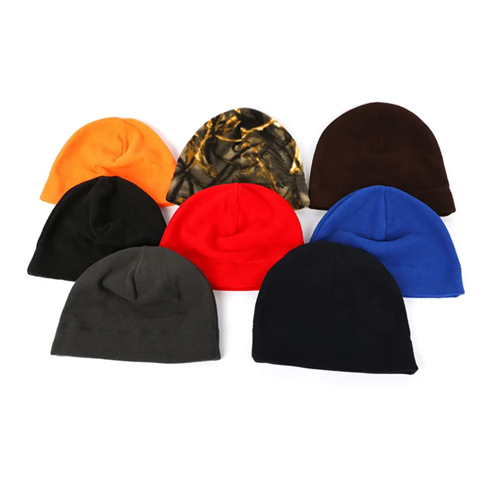
| Polyester/Fleece | Strong insulation and moisture resistance | Outdoor sports and cold-weather applications | Enhanced protection in harsh environments |
Acrylic is one of the most common materials in large-scale beanie production. It provides a similar appearance to wool while offering easier maintenance, better color retention, and competitive manufacturing costs.
For wholesale buyers, acrylic beanies are especially suitable when the priority is consistent quality across large quantities. The material supports a wide range of colors, making it easier for brands to match seasonal collections, corporate colors, or promotional themes.
Another advantage of acrylic yarn is dimensional stability. A properly knitted acrylic beanie can maintain its shape after repeated use, which is important for retail products where customers expect long-lasting performance.
Wool remains a preferred material for premium winter accessories because of its natural thermal regulation properties. Wool fibers can retain warmth while allowing moisture vapor to escape, creating a comfortable environment during extended outdoor use.
However, pure wool products usually require higher production costs and more careful maintenance. Many commercial brands choose wool blends instead because they combine natural warmth with improved durability and easier care.
For outdoor brands and premium retailers, wool-blend beanies can provide a stronger value proposition by balancing performance, appearance, and retail pricing.
Beanie styles are not only design choices; they also influence warmth, comfort, branding opportunities, and target customer groups. Selecting the right structure helps businesses create products that match specific market needs.
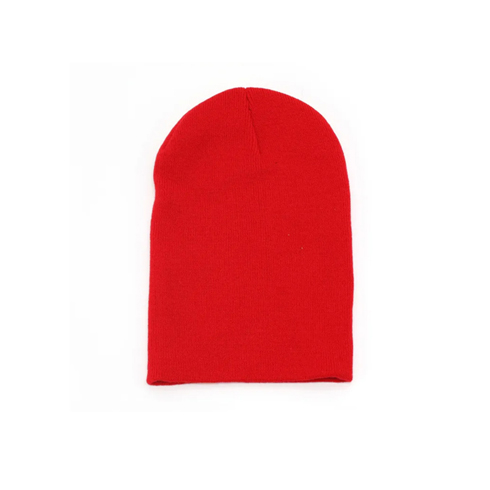
The classic knit beanie is the most versatile winter hat style. It usually features a simple knitted construction with a close-fitting shape that provides comfortable coverage without unnecessary weight.
Typical applications include:
Daily winter accessories
Outdoor commuting
Corporate promotional programs
Retail fashion collections
Because of its universal design, classic knit beanies are often selected as the foundation product for seasonal collections. Brands can differentiate them through color combinations, logo placement, woven labels, and packaging.
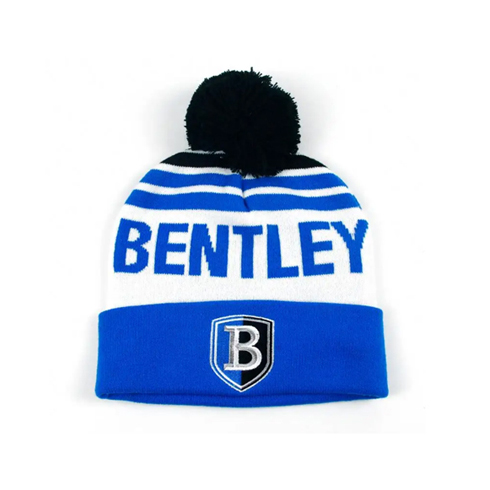
A cuffed beanie includes a folded lower section around the edge, providing additional thickness around the forehead area. This structure improves wearing stability and creates a larger branding area for embroidery or labels.
Cuffed styles are commonly used by outdoor brands, streetwear companies, and promotional suppliers because they combine practicality with strong visual appeal.
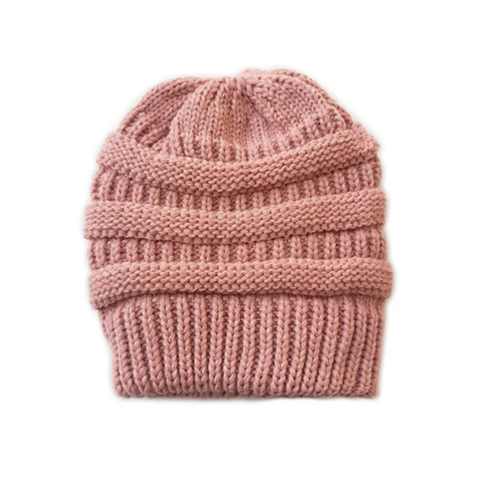
Cable knit construction creates a textured surface by forming raised patterns within the knitted structure. This traditional technique gives winter hats a more premium appearance compared with basic knit designs.
For fashion brands developing seasonal collections, wholesale cable knit beanies provide an effective way to combine traditional craftsmanship with modern winter styling. Cable patterns increase visual depth while maintaining the warmth and comfort expected from knitted accessories.

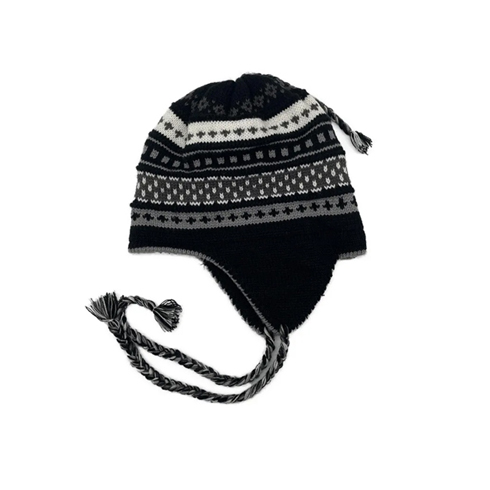
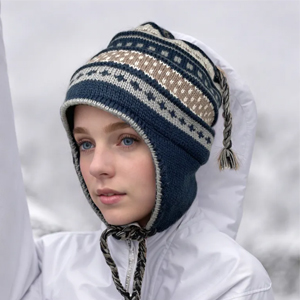
Earflap beanies extend coverage from the top of the head to the ears and sides of the face, making them especially suitable for colder climates, outdoor activities, and winter tourism markets.
Compared with standard beanies, earflap designs provide additional protection against wind exposure. They are commonly used for ski resorts, travel merchandise, outdoor events, and cold-weather retail collections.
JIBIL develops customized wholesale beanie hats with ear flaps for businesses that require functional winter accessories with branding options. These designs can include jacquard patterns, embroidery, pom-poms, braided strings, and customized color combinations.
Choosing a beanie hat for commercial purposes requires a balance between functional performance, customer expectations, and production requirements. A winter hat designed for outdoor workers has completely different priorities from a fashion accessory developed for seasonal retail collections.
Professional buyers should evaluate several factors, including climate conditions, target users, material preference, customization requirements, and expected order volume. The right combination of these elements helps brands create products that achieve both customer satisfaction and commercial success.
Fashion retailers usually focus on appearance, trend compatibility, and product differentiation. While warmth remains important, the visual identity of the product often determines purchasing decisions.
Popular design considerations for fashion markets include:
Seasonal color trends
Unique knitting patterns
Premium textures
Custom labels and branding elements
Packaging presentation
Cable knit, jacquard, and textured beanie designs are commonly selected by fashion brands because they create a stronger visual impression compared with basic knitted structures. These styles can support premium positioning while maintaining the practical benefits of winter headwear.
Outdoor applications require higher functional performance. Consumers using beanies for hiking, skiing, camping, fishing, or winter travel expect reliable warmth and comfort during extended outdoor exposure.
Important performance factors include:
| Performance Factor | Why It Matters | Recommended Features |
|---|---|---|
| Thermal Insulation | Maintains body heat in low temperatures | Thicker knitting, wool blend, fleece lining |
| Wind Protection | Reduces heat loss during outdoor activities | Dense knit structure, ear coverage |
| Moisture Management | Improves comfort during physical activities | Breathable fibers, moisture-resistant materials |
| Durability | Supports repeated outdoor use | Strong yarn quality and reinforced knitting |
For extreme cold environments, a standard lightweight beanie may not provide sufficient protection. Buyers should consider designs with additional coverage, such as earflaps or fleece interiors, to improve warmth and user comfort.
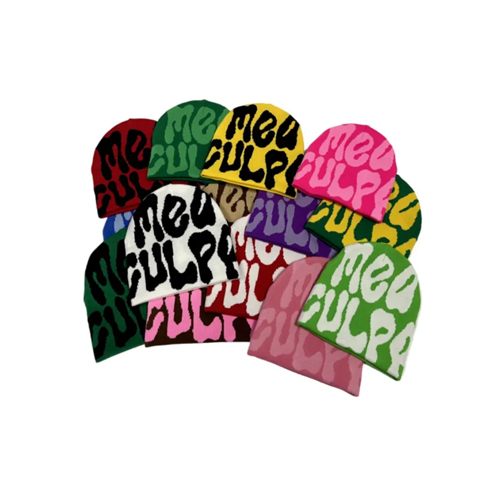
Beanie hats are frequently used as promotional merchandise because they provide practical value while offering excellent branding space. Companies use customized winter hats for employee uniforms, outdoor events, customer gifts, and seasonal marketing campaigns.
For promotional projects, buyers usually prioritize:
Competitive production cost
Reliable delivery schedules
Consistent color matching
Logo customization options
Suitable minimum order quantities
Embroidery, woven labels, patches, and jacquard patterns allow businesses to transform standard winter hats into branded products that strengthen customer recognition.
Bulk purchasing involves more than selecting a design. Professional buyers need to evaluate supplier capability, production consistency, customization flexibility, and quality control processes.
For wholesale orders, material consistency is one of the most important quality factors. Differences in yarn composition or dyeing processes can affect the final appearance of a large order.
Reliable manufacturing requires control over:
Yarn selection
Color matching
Knitting tension
Size consistency
Finishing processes
Professional suppliers should maintain stable production standards to ensure that every batch meets the expected specifications.
Customization is a major factor for brands looking to create differentiated winter products. Depending on the design requirements, manufacturers may provide different customization methods:
| Customization Method | Suitable For | Design Advantages |
|---|---|---|
| Embroidery | Logos and simple graphics | Premium appearance and durability |
| Jacquard Knitting | Patterns and complex designs | Integrated design without additional attachments |
| Woven Labels | Brand identification | Clean and professional presentation |
| Patches | Outdoor and streetwear products | Strong visual impact |
Seasonal accessories require careful planning because demand is usually concentrated before winter seasons. Businesses should consider production lead times, inventory planning, and supplier communication when preparing large orders.
For companies purchasing large quantities, choosing a supplier experienced in beanie hat bulk production helps ensure stable manufacturing capacity, consistent quality, and efficient seasonal supply management.
JIBIL provides customized winter hat solutions for international brands, wholesalers, retailers, and promotional businesses. The company focuses on combining functional winter performance with flexible customization options to meet different market requirements.
Unlike suppliers that only provide standard products, JIBIL supports customers throughout the product development process, including style selection, material recommendation, design customization, and production coordination.
The company’s beanie hat solutions are suitable for various applications, including:
Fashion retail collections
Outdoor winter accessories
Corporate promotional products
Tourism and event merchandise
Private label winter apparel programs
| Capability | Customer Benefit |
|---|---|
| Multiple knitting structures | Supports different styles, markets, and price levels |
| Customized colors and patterns | Helps brands create unique seasonal collections |
| OEM production experience | Provides flexible solutions for private label projects |
| Quality-focused manufacturing | Ensures consistency for repeat orders |
| Product variety | Allows buyers to develop complete winter accessory lines |
Climate is one of the most important factors when selecting winter headwear. The same beanie design may perform differently depending on temperature, humidity, wind conditions, and activity level.
| Environment | Recommended Beanie Features |
|---|---|
| Mild Winter Areas | Lightweight acrylic knit, breathable construction, simple designs |
| Cold Urban Environments | Thicker knit, cuffed styles, wool blends |
| Snow and Mountain Areas | Earflap designs, fleece lining, dense knitting |
| Fashion Markets | Trend colors, decorative patterns, customized designs |
| Promotional Events | Affordable materials, logo options, scalable production |
The most suitable winter hat is not always the thickest one. Successful product selection requires matching the hat structure with the actual needs of the end users. A fashion retailer may prioritize appearance and customization, while an outdoor supplier may focus on insulation and weather protection.
Selecting the right manufacturing partner is an important step for businesses developing winter accessory products. A capable supplier should provide not only competitive pricing but also reliable quality management and product development support.
Important evaluation points include:
Experience in winter accessory manufacturing
Ability to support customized designs
Stable production quality
Clear communication during development
Flexible solutions for different order requirements
Working with an experienced supplier reduces production risks and helps brands launch winter collections with greater confidence.
The best material depends on the intended application, climate, and target market. Acrylic is one of the most widely used materials because it offers softness, durability, easy maintenance, and excellent color availability. It is suitable for retail collections, promotional programs, and everyday winter wear.
For premium winter accessories, wool and wool-blend materials provide stronger thermal performance and a more natural feel. Outdoor-focused products may combine synthetic fibers with fleece lining to improve insulation and moisture management in colder environments.
Yes. Beanie hats are widely used for outdoor activities such as hiking, skiing, camping, fishing, and winter travel. However, the right construction is important because different outdoor environments require different levels of protection.
For mild outdoor activities, standard knitted beanies may provide sufficient warmth. For colder conditions, buyers should consider thicker knit structures, wool blends, fleece lining, or ear coverage designs to improve protection against wind and low temperatures.
A regular beanie mainly covers the top and sides of the head, providing lightweight warmth and a comfortable fit. An earflap beanie extends coverage around the ears and sometimes the cheeks, offering additional protection in cold and windy conditions.
Because of their increased coverage, earflap styles are commonly selected for outdoor markets, winter tourism products, children’s collections, and cold-weather work accessories.
Yes. Beanie hats can be customized through various methods, including embroidery, woven labels, jacquard knitting, patches, and customized color combinations.
The most suitable customization method depends on the design complexity, order quantity, and product positioning. For example, embroidery is often selected for premium brand logos, while jacquard knitting works well for integrated patterns and larger visual designs.
A reliable supplier should provide consistent quality, flexible customization options, professional communication, and stable production capability. Businesses should evaluate the supplier’s experience with winter accessories, manufacturing process, quality control standards, and ability to handle repeat orders.
For wholesale buyers, supplier reliability is especially important because seasonal products usually require accurate delivery schedules and consistent product quality across large quantities.
The most popular wholesale beanie styles include classic knit beanies, cuffed beanies, cable knit designs, jacquard beanies, and earflap beanies. These styles cover different market requirements, from fashion retail and outdoor products to corporate promotional merchandise.
Many buyers choose multiple styles within the same seasonal collection to serve different customer groups and increase product variety.
Beanie hats have developed from simple winter protection products into versatile accessories used across fashion, outdoor, promotional, and retail markets. Selecting the right winter hat requires careful consideration of materials, knitting structures, climate conditions, customer expectations, and customization requirements.
Acrylic beanies remain a practical choice for large-scale commercial programs because of their cost efficiency, durability, and color flexibility. Wool and wool-blend options provide premium warmth, while earflap and fleece-lined designs offer additional protection for colder environments.
For brands, wholesalers, and retailers, working with an experienced manufacturer is essential for developing products that combine quality, functionality, and market appeal. JIBIL supports customized winter hat projects by providing different beanie styles, material options, and production solutions designed for global customers.
Whether the goal is creating a fashion-focused winter collection, developing outdoor accessories, or producing branded promotional hats, understanding the relationship between design, material, and application helps businesses make better product decisions and build stronger seasonal product lines.