








Tel:
+86-0511-88891902

What are you looking for?
Quality winter accessories are created through a complete manufacturing process that begins long before the final product reaches customers. From yarn selection and material testing to knitting, sewing, finishing, and quality inspection, every production stage influences the warmth, comfort, durability, and appearance of hats, scarves, gloves, and socks.
For brands, wholesalers, and retailers, understanding how winter accessories are manufactured helps them evaluate suppliers, select suitable materials, and develop products that meet market expectations. A professional manufacturer must not only produce attractive designs but also control raw materials, production techniques, and quality standards throughout the entire process.
JIBIL specializes in customized winter accessory manufacturing, providing solutions for global businesses that require reliable hats, scarves, gloves, and socks production. By combining material knowledge, manufacturing experience, and customization capability, JIBIL helps customers create winter products that balance functionality, comfort, and commercial value.
The production of winter accessories involves multiple carefully controlled stages. Although hats, scarves, gloves, and socks may look simple from the outside, their final performance depends on many technical details, including fiber composition, yarn quality, knitting structure, finishing processes, and inspection standards.
| Manufacturing Stage | Main Process | Key Quality Factors |
|---|---|---|
| Material Selection | Choosing suitable yarns and fabrics | Fiber quality, softness, warmth, durability |
| Yarn Preparation | Testing and preparing yarn before production | Color consistency, strength, elasticity |
| Knitting or Fabric Production | Creating the basic product structure | Density, pattern accuracy, flexibility |
| Assembly and Finishing | Adding labels, embroidery, shaping, and final details | Appearance, durability, comfort |
| Quality Inspection | Checking finished products before shipment | Size accuracy, defects, consistency |
Each stage plays an important role in determining whether a winter accessory can satisfy customers. For example, poor-quality yarn may result in reduced softness or color fading, while inaccurate knitting tension may affect product fitting and durability.
Yarn selection is one of the most important decisions in winter accessory production because it determines the fundamental characteristics of the final product. Different fibers provide different levels of warmth, softness, elasticity, breathability, and durability.
Manufacturers usually select yarn based on the product application. A premium fashion beanie may require soft and visually attractive yarn, while outdoor winter products may require stronger insulation and moisture management performance.
| Material | Main Characteristics | Typical Applications |
|---|---|---|
| Acrylic | Soft, lightweight, affordable, color stable | Beanies, scarves, gloves, promotional products |
| Wool | Natural warmth, moisture regulation, premium feel | High-end winter collections |
| Polyester | Durable, quick-drying, easy maintenance | Functional outdoor accessories |
| Cotton Blend | Comfortable, breathable, skin-friendly | Daily wear products |
| Recycled Fiber | Supports sustainable product positioning | Eco-conscious brands |
Acrylic is one of the most commonly used fibers in commercial winter accessory manufacturing because it provides a good balance between cost, performance, and appearance. It offers excellent color options, making it suitable for brands that need seasonal collections with multiple colors.
For large-volume orders, acrylic yarn also provides production advantages because it maintains stable quality during manufacturing. This helps manufacturers achieve consistent results across thousands of units.
Wool remains a preferred choice for premium winter accessories because of its natural insulation properties. Wool fibers can help regulate temperature and provide warmth while maintaining breathability.
However, pure wool products usually require higher production costs and more careful maintenance. Many brands choose wool blends because they combine the comfort of natural fibers with improved durability and easier care.
Knitting technology directly influences the structure, appearance, elasticity, and comfort of winter accessories. Different knitting methods create different product characteristics and allow manufacturers to serve different market segments.
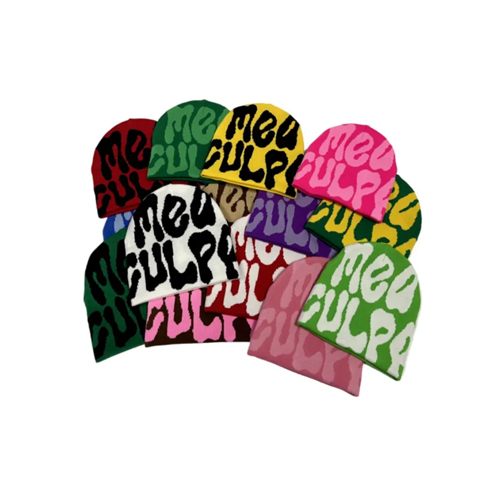
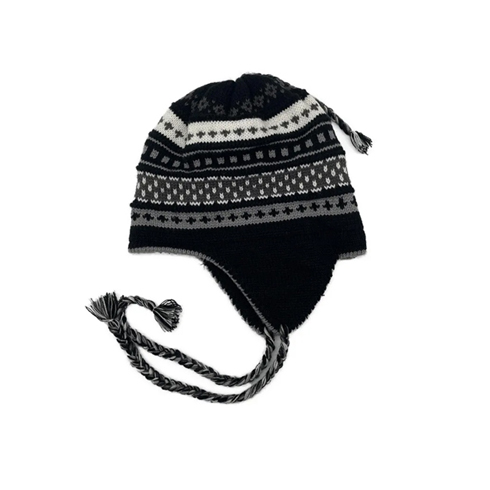
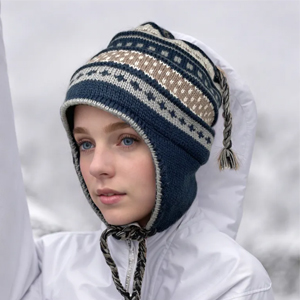
For example, rib knitting provides flexibility and a comfortable fit, while jacquard knitting allows customized patterns to be integrated into the product structure, as seen in a custom jacquard beanie. Cable knitting creates a premium textured appearance that is popular in fashion-focused winter collections.
| Knitting Structure | Features | Suitable Products |
|---|---|---|
| Rib Knit | High elasticity and comfortable fitting | Beanies, gloves, cuffs |
| Plain Knit | Simple structure and cost efficiency | Basic winter accessories |
| Cable Knit | Premium texture and decorative appearance | Fashion winter hats |
| Jacquard Knit | Supports customized patterns and graphics | Brand collections and promotional products |
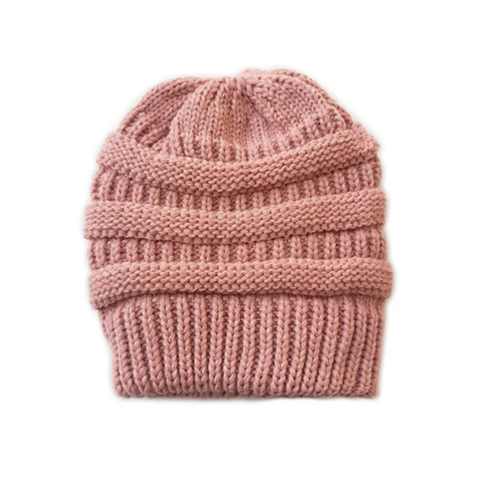
For brands developing fashionable winter headwear collections, wholesale cable knit beanies demonstrate how knitting techniques can transform traditional winter accessories into products with stronger visual appeal and market differentiation.
Before manufacturing begins, professional suppliers conduct material inspections to ensure that yarns and fabrics meet production requirements. This step helps prevent quality issues during later stages.
Common material inspection procedures include:
Checking fiber composition
Testing color consistency
Evaluating yarn strength
Checking softness and hand feel
Confirming elasticity performance
Material testing is especially important for winter accessories because consumers directly experience product comfort. A hat, scarf, glove, or sock with poor material quality can negatively affect brand reputation.
Product design is not only about appearance. It also affects production methods, material usage, user comfort, and manufacturing efficiency.
| Design Element | Manufacturing Impact |
|---|---|
| Pattern Design | Determines knitting method and production complexity |
| Material Combination | Affects comfort and performance |
| Size Structure | Influences fitting and customer experience |
| Brand Details | Requires additional customization processes |
Professional manufacturers work closely with customers during the design stage to ensure that creative ideas can be transformed into practical products while maintaining production efficiency.
Winter hats require precise control over yarn selection, knitting structure, shaping, and finishing processes. Although the manufacturing process may appear simple, professional hat production involves multiple steps to ensure proper fitting, comfort, and long-term durability.
The first stage of hat manufacturing is selecting suitable yarn according to product positioning. Fashion brands may focus on softness, color variety, and appearance, while outdoor brands usually require stronger insulation and durability.
After yarn selection, manufacturers prepare the materials through processes such as:
Yarn inspection
Color matching
Strength testing
Storage preparation
During knitting, machines create the basic structure of the hat according to the product design. The knitting density, stitch type, and yarn tension directly influence the final product.
Important production considerations include:
| Production Factor | Impact on Finished Hat |
|---|---|
| Knitting Density | Determines warmth and fabric thickness |
| Yarn Tension | Affects elasticity and fitting comfort |
| Pattern Accuracy | Influences appearance and brand presentation |
| Size Control | Ensures consistent customer experience |
After knitting, hats may go through additional processes such as washing, shaping, embroidery, label attachment, and packaging preparation.
For brands, customization options can include:
Custom colors
Logo embroidery
Woven labels
Jacquard patterns
Custom packaging
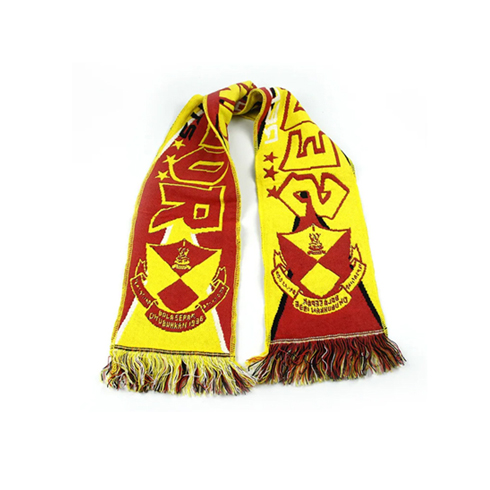
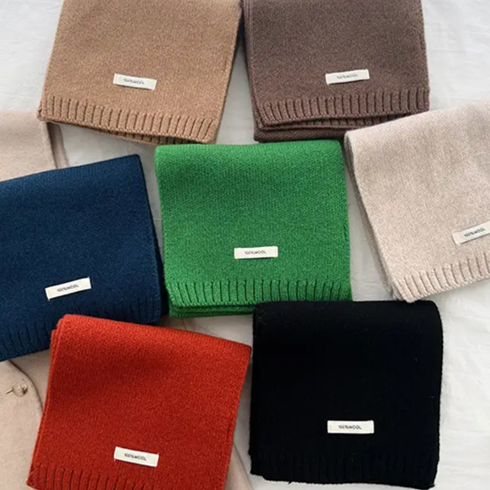
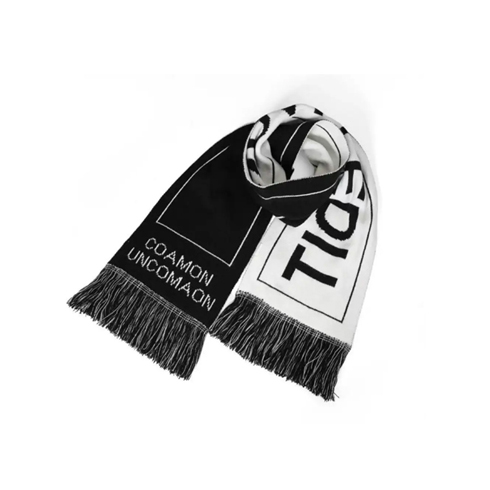
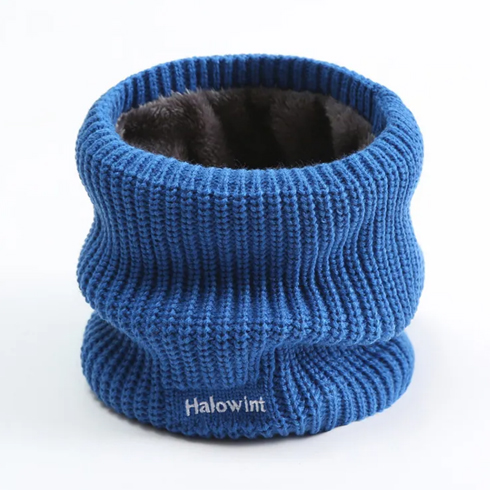
Scarves require a careful balance between warmth, softness, appearance, and comfort. Depending on the target market, manufacturers may use knitted yarns, fleece fabrics, or blended materials to achieve different performance goals.
Fashion scarves usually emphasize texture and design, while outdoor scarves focus more on insulation, moisture management, and protection against wind.
Knitted scarves are produced through yarn selection, knitting, shaping, finishing, and inspection. The choice of yarn and knitting pattern determines the final texture and warmth.
Common knitted scarf features include:
Soft hand feel
Flexible structure
Decorative patterns
Multiple color combinations
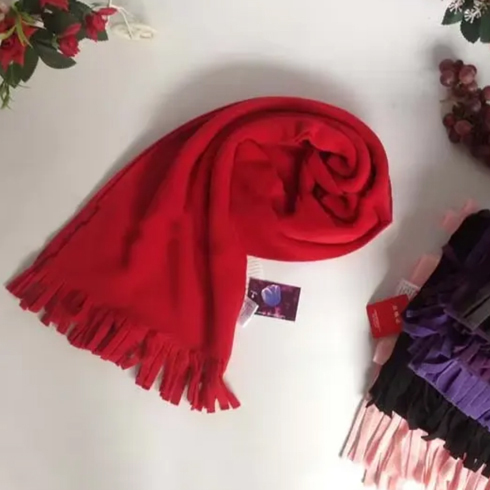
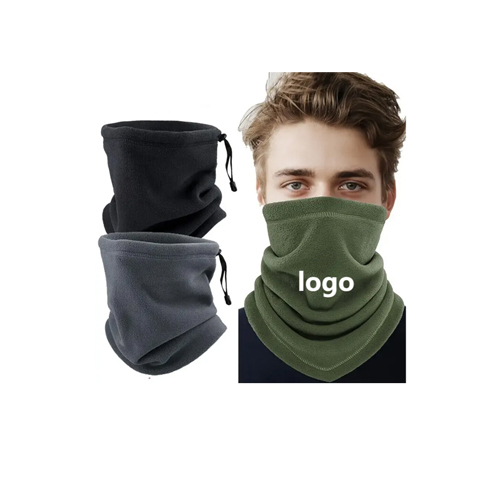
Fleece scarves are produced using synthetic fleece fabrics that provide lightweight warmth and comfortable insulation. They are widely used in outdoor applications because of their practical performance.
For businesses developing winter accessory collections, fleece scarf wholesale solutions require reliable material control, consistent cutting, and accurate finishing to ensure stable product quality across large orders.

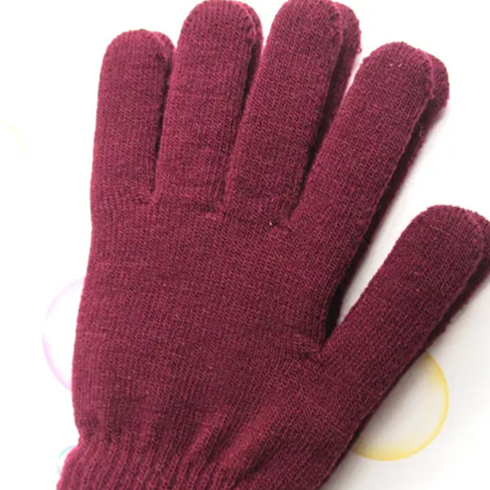
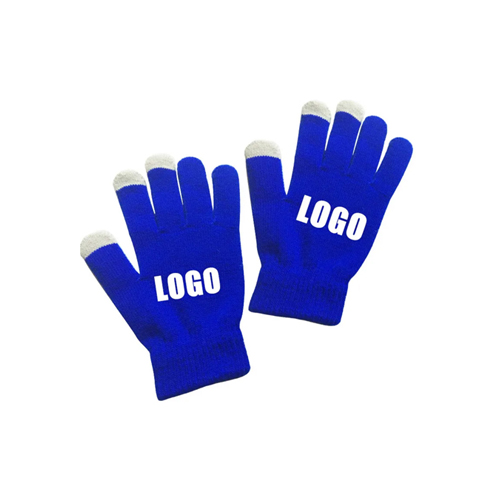
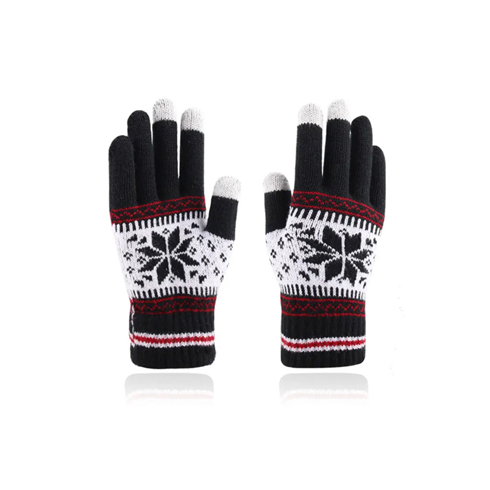
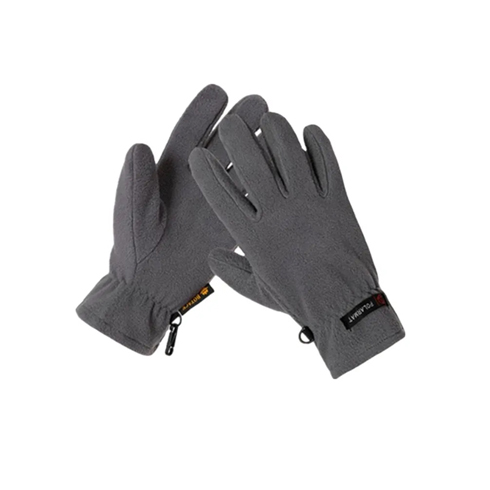
Winter gloves require more precise construction than many other accessories because they need to provide warmth while maintaining hand movement and comfort.
Manufacturers must consider:
| Glove Requirement | Manufacturing Consideration |
|---|---|
| Warmth | Material thickness and insulation layer |
| Flexibility | Stretch performance and finger construction |
| Durability | Yarn strength and reinforcement areas |
| Comfort | Soft inner surface and proper sizing |
For outdoor and work applications, manufacturers may combine different materials to improve performance. For example, insulated materials can provide warmth while elastic components improve fitting and movement.
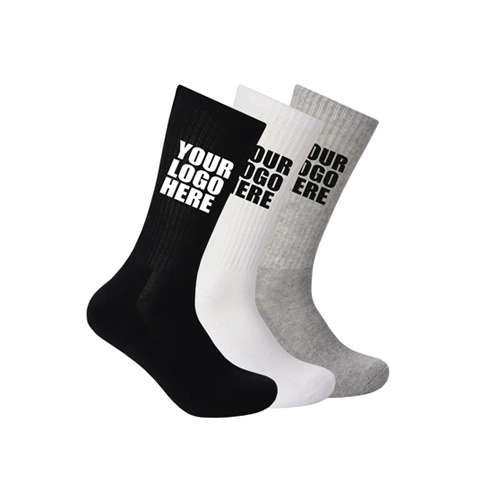
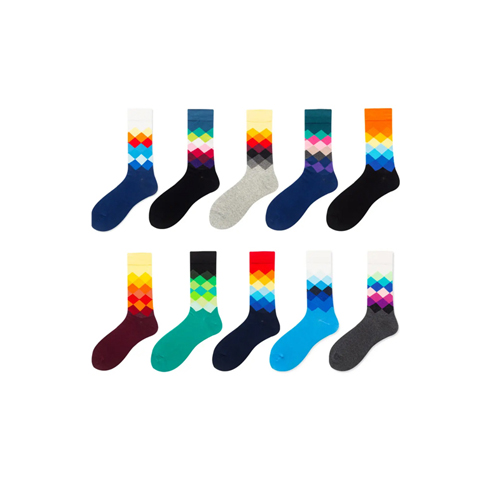
Winter socks require careful engineering because they must provide warmth, moisture control, elasticity, and long-term wearing comfort. The wrong material or construction can result in poor fitting, reduced durability, or discomfort during use.
| Production Stage | Main Purpose |
|---|---|
| Fiber Selection | Determines warmth, softness, and moisture management |
| Knitting | Creates the sock structure and elasticity |
| Toe Closing | Provides comfort and durability |
| Quality Inspection | Ensures size and performance consistency |
Professional buyers looking for reliable production partners should evaluate whether a sports socks supplier understands material selection, knitting technology, and customer requirements. These factors directly influence product performance and customer satisfaction.
Quality control is one of the most important parts of winter accessory manufacturing. A professional supplier must monitor product quality throughout the entire production process instead of only inspecting finished items.
Before production begins, manufacturers inspect yarns and fabrics to confirm that they meet required specifications.
Common checks include:
Material composition
Color consistency
Fabric appearance
Strength and elasticity
During manufacturing, quality teams monitor production conditions to identify potential problems early.
Inspection points may include:
| Inspection Area | Purpose |
|---|---|
| Knitting Process | Check pattern accuracy and structure consistency |
| Sewing Process | Ensure strong and clean construction |
| Size Measurement | Maintain product specification accuracy |
| Final Appearance | Identify defects before shipment |
Customized winter accessories require close cooperation between brands and manufacturers. The process usually begins with product requirements and continues through design confirmation, sampling, production, and final delivery.
| Stage | Description |
|---|---|
| Requirement Analysis | Confirm product type, material, design, and quantity |
| Material Selection | Recommend suitable yarns or fabrics |
| Sample Development | Create prototypes for approval |
| Mass Production | Manufacture products according to specifications |
| Inspection and Delivery | Verify quality before shipment |
A professional supplier helps customers avoid production issues by providing technical recommendations during the development process. This is especially important for brands launching seasonal collections with strict timelines.
Winter accessories may appear simple, but successful production requires knowledge of materials, knitting technology, customization methods, and quality management.
An experienced manufacturer can help customers:
Select suitable materials
Optimize product structure
Control production quality
Reduce development risks
Improve market competitiveness
JIBIL provides customized winter accessory manufacturing solutions for global brands, wholesalers, and retailers. With experience across hats, scarves, gloves, and socks, JIBIL helps customers develop products that meet different market requirements.
The company supports projects from initial material selection to final production, ensuring that products achieve the required balance between design, functionality, and commercial value.
| Capability | Customer Benefit |
|---|---|
| Multiple Material Options | Suitable solutions for different climates and markets |
| Customized Production | Supports private label and branded collections |
| Product Development Support | Helps transform concepts into finished products |
| Quality Control Management | Maintains consistency for bulk orders |
| Winter Accessory Experience | Provides professional manufacturing guidance |
Winter accessories are commonly manufactured using acrylic, wool, polyester, fleece, cotton blends, and recycled fibers. Each material provides different advantages depending on the intended application.
Acrylic is widely used for commercial winter accessories because it offers softness, color stability, and cost efficiency. Wool and wool blends are preferred for premium products because of their natural warmth. Polyester and fleece are commonly selected for outdoor products because they provide durability, insulation, and easy maintenance.
The best material choice depends on factors such as climate, target customers, product positioning, and performance expectations.
Professional manufacturers control quality throughout the entire production process, starting from raw materials and continuing through knitting, assembly, finishing, and final inspection.
Quality control typically includes:
Checking yarn and fabric consistency
Testing color accuracy
Monitoring production processes
Measuring product dimensions
Inspecting finished products before shipment
A complete quality management system helps manufacturers maintain consistent results, especially for large-volume orders.
Production time depends on factors such as product complexity, material availability, customization requirements, and order quantity.
Standard products usually require less development time, while customized products involving special yarns, patterns, labels, or packaging may require additional preparation.
Professional suppliers normally confirm production schedules during the development stage to ensure that products are delivered according to seasonal market requirements.
Yes. Winter accessories can be customized in many ways depending on the product type and material structure.
Common customization methods include:
Embroidery logos
Jacquard patterns
Woven labels
Custom colors
Special packaging
For brands, customization allows standard winter accessories to become unique products that strengthen brand recognition and improve market differentiation.
Businesses should evaluate more than product pricing when selecting a manufacturing partner. Important factors include material knowledge, production experience, customization capability, quality control systems, and communication efficiency.
A reliable manufacturer should be able to provide:
Professional material recommendations
Stable production quality
Flexible customization options
Clear production timelines
Support for repeat orders
Choosing the right supplier helps brands reduce production risks and develop winter collections with better consistency.
Yarn quality directly affects the performance and appearance of finished products. Poor-quality yarn may lead to issues such as uneven texture, color inconsistency, reduced softness, and lower durability.
High-quality yarn helps manufacturers produce winter accessories with better warmth, comfort, elasticity, and long-term performance. This is especially important for brands that require consistent quality across large production quantities.
The manufacturing of quality winter accessories involves much more than simply knitting yarn into finished products. From yarn selection and material testing to production control and final inspection, every stage influences the performance, appearance, and durability of hats, scarves, gloves, and socks.
For brands, wholesalers, and retailers, understanding the manufacturing process provides valuable insight into how to select materials, evaluate suppliers, and develop competitive winter collections. The right combination of fiber selection, production technology, customization capability, and quality management creates products that meet both consumer expectations and commercial requirements.
JIBIL supports global customers with professional winter accessory manufacturing solutions, covering different product categories and customization requirements. Through experienced production processes and attention to quality details, JIBIL helps businesses create reliable winter accessories for retail, outdoor, promotional, and private-label markets.
Whether developing a new seasonal collection or expanding an existing product range, partnering with an experienced winter accessory manufacturer allows businesses to achieve better product consistency, improved market competitiveness, and long-term supply reliability.
1. https://www.textileinstitute.org/