







Tel:
+86-0511-88891902

What are you looking for?
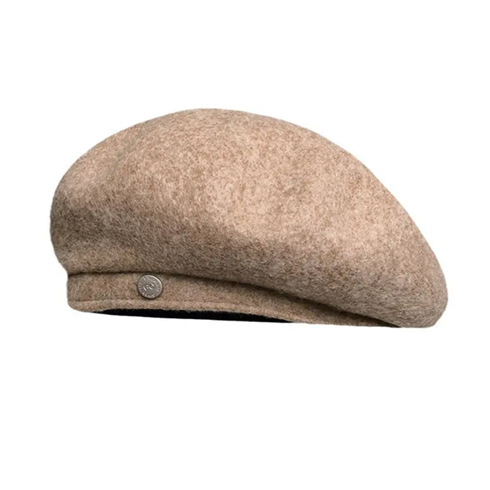
For a retail beret collection, the most important sourcing decisions are not simply color and price. Material composition, crown shape, head opening, finishing quality, branding method, and sample approval criteria all influence whether the finished beret looks commercially convincing and performs consistently in production.
For most fashion-oriented retail collections, wool or wool-blend felt provides a structured, premium appearance, while acrylic, polyester, cotton, or blended constructions can offer different combinations of softness, cost control, color consistency, and seasonal positioning. Fit should be approved on an actual head form rather than judged from a flat sample, and branding should be developed at the same time as the product construction rather than added after the design is finalized.
For buyers developing a private-label collection, the safest sourcing process is to define the material, dimensions, fit tolerance, decoration, labeling, packaging, and approval standards before bulk production begins.
The right material depends on the intended retail positioning.
A traditional wool beret generally has a more structured hand feel and a strong association with premium cold-weather fashion. Wool blends can reduce material cost while retaining some of the appearance and warmth associated with wool. Acrylic is often selected when buyers need a broad color range, easy care, and predictable production economics. Polyester-based felt can also be useful for fashion-focused collections where shape retention and color consistency are priorities.
Material selection should therefore begin with the customer's expected use rather than simply asking which fiber is "best."
| Material | Typical Positioning | Key Advantages | Sourcing Considerations |
|---|---|---|---|
| Wool | Premium / heritage | Warmth, natural hand feel, structure | Fiber content, shrinkage, pilling |
| Wool blend | Mid-to-premium | Balance of cost and appearance | Blend ratio must be controlled |
| Acrylic | Commercial / fashion | Color range, cost efficiency | Hand feel and pilling |
| Polyester felt | Fashion / promotional | Shape retention, color consistency | Breathability and finishing |
| Cotton blend | Lightweight / transitional | Softer, breathable feel | Lower cold-weather insulation |
For brands selling in markets where textile labeling requirements apply, fiber claims should be confirmed against actual production composition. In the United States, textile and wool products generally require appropriate fiber-content, country-of-origin, and responsible-company information, with additional rules applying to wool products.
This makes material verification part of the sourcing process, not merely a production detail.
Beret fit is deceptively difficult because the product is designed to sit differently from a conventional structured cap.
A sourcing specification should establish at least four dimensions:
Head circumference
Inner opening circumference
Crown diameter or finished width
Crown height or depth
The inner opening is particularly important. If it is too tight, the beret can create pressure around the head and lose its relaxed appearance. If it is too loose, the product may slide backward or fail to maintain the intended silhouette.
For a retail collection, buyers should also define whether the beret is intended to sit:
flat and close to the head;
with a soft side drape;
with a pronounced crown;
or with a more structured fashion silhouette.
These are not interchangeable fits.
A sample that looks attractive on a mannequin may behave differently on consumers with different head shapes. Fit approval should therefore include multiple head forms or wear tests rather than relying exclusively on product photography.
A strong tech pack reduces ambiguity between design, merchandising, and manufacturing teams.
For a beret, the specification should cover:
material composition;
material weight;
color reference;
finished diameter;
head opening measurement;
crown height;
seam construction;
edge finishing;
lining specification;
logo dimensions;
logo position;
label placement;
packaging requirements;
measurement tolerances.
The logo should be positioned using a measurable reference point rather than a phrase such as "place logo in the center."
For example, the specification might define the logo as a certain distance from the front edge and a certain distance from the crown seam. This gives the factory a repeatable production reference.
Brands looking at broader accessory assortment planning can also compare their beret specification against established beret wholesale production options to understand how different constructions are positioned commercially.

The silhouette should be connected to the brand's visual identity.
A minimalist lifestyle label may prefer a low-profile beret with a clean edge and restrained branding. A fashion label may prefer a larger crown with a more dramatic drape. A heritage-inspired collection may require a traditional wool construction and subtle woven branding.
The important point is consistency.
If one color has a noticeably different crown volume or opening size from another color, the collection can appear poorly controlled even when each individual product is attractive.
For this reason, fit measurements should remain fixed across colors unless the brand intentionally develops separate silhouettes.
Branding can be applied through:
embroidered logos;
woven labels;
leather or synthetic patches;
metal badges;
printed labels;
jacquard details;
custom hangtags.
The choice should reflect the product's material and price positioning.
Embroidery can work well on some softer constructions, but dense embroidery can distort lightweight materials. A woven label gives a cleaner, controlled appearance and can be useful for understated private-label collections. Patches create stronger visual branding but increase material and attachment complexity.
For premium collections, branding should usually be smaller and more integrated with the product.
A common sourcing mistake is approving the beret first and then asking the factory to "add the logo." Branding affects available surface area, balance, needle penetration, backing, label placement, and packaging. It should therefore be included during sample development.
Sample approval should be treated as a technical milestone rather than a visual formality.
A practical approval checklist includes:
| Checkpoint | What to Verify |
|---|---|
| Material | Composition, hand feel, density |
| Color | Approved color standard and consistency |
| Opening | Circumference and elasticity |
| Crown | Diameter, height and shape |
| Edge | Clean finish without loose fibers |
| Seams | Symmetry and strength |
| Branding | Size, position, color and attachment |
| Label | Content and placement |
| Wear test | Comfort and stability |
| Packaging | Folding, protection and presentation |
The approved sample should become the physical reference for bulk production.
If a buyer approves a photograph rather than a retained physical sample, later disagreements become much harder to resolve. The factory may interpret the same design differently when materials, production tension, or finishing processes change.
Tolerance depends on the material and construction, so a buyer should not impose a universal number on every beret.
Instead, establish tolerances by measurement point.
For example:
head opening: controlled within a defined circumference tolerance;
crown diameter: tighter tolerance because it affects silhouette;
logo placement: very tight tolerance because it affects visual consistency;
decorative elements: defined by position and alignment.
Soft materials naturally have greater variation than rigid components. However, "soft" does not mean uncontrolled.
The correct approach is to establish a realistic manufacturing tolerance before bulk production and inspect against that tolerance.
Sampling becomes faster when the buyer provides complete information in the first development package.
Instead of sending only a reference image, provide:
target material;
color references;
dimensions;
fit description;
logo artwork;
branding method;
label requirements;
packaging concept;
target price range;
expected order quantity.
The supplier can then recommend an appropriate construction before the first physical sample.
It is also useful to separate design approval from production approval.
A first sample may confirm the overall silhouette. A second sample may incorporate revised dimensions, branding, or material. The final pre-production sample should confirm the exact bulk-production specification.
Packaging should protect the shape without creating unnecessary volume.
Possible formats include:
individual polybags;
recycled or recyclable bags;
paper belly bands;
branded cards;
hangtags;
gift-style boxes;
retail-ready cartons.
For berets with a soft structure, excessive compression during shipping can create undesirable creasing. Buyers should therefore conduct a packaging trial before mass production.
Packaging also provides an opportunity to reinforce brand identity. A simple beret can appear significantly more premium when the label, hangtag, tissue, and packaging language are visually consistent.
A sourcing conversation should cover more than MOQ and unit price.
Ask the manufacturer:
Which materials are available?
Can the fiber composition be customized?
What size range can be produced?
How is the head opening constructed?
Can the crown dimensions be adjusted?
What branding techniques are available?
Can custom labels and hangtags be supplied?
What is the sample lead time?
What is the bulk production lead time?
What quality-control process is used?
Can packaging be customized?
Can the factory provide production references or material samples?
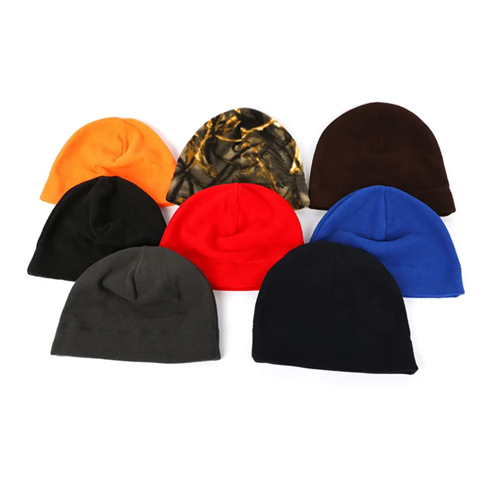
Brands building a broader headwear assortment may also evaluate beanie hat bulk options alongside berets so that the winter range maintains a consistent sourcing strategy across different silhouettes.
A sample should not automatically be approved because it looks attractive in a product photograph.
Rejection is appropriate when:
the opening is uncomfortable;
the crown collapses differently from the approved design;
material hand feel differs significantly from specification;
branding is misaligned;
seams are visibly uneven;
colors vary from the approved standard;
the label information is incorrect;
packaging damages the shape;
the sample cannot be reproduced consistently.
A good sourcing process treats rejection as part of product development rather than as a failure.
Berets can occupy an important role between functional winter accessories and fashion-led headwear.
They work particularly well when the brand develops a controlled color story. Neutral shades can establish commercial volume, while seasonal accent colors create visual differentiation.
The same branding system can then be extended to other winter accessories, allowing the beret to become part of a coherent collection rather than an isolated SKU.
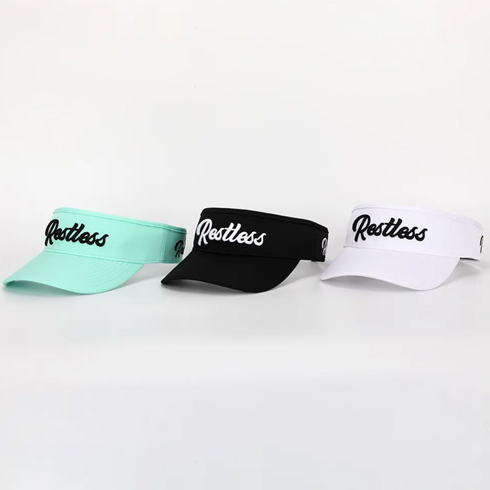
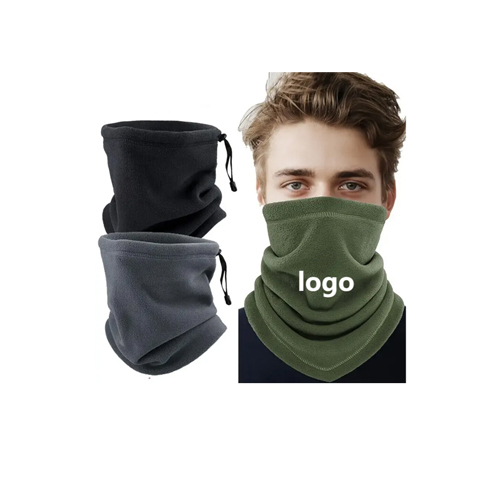
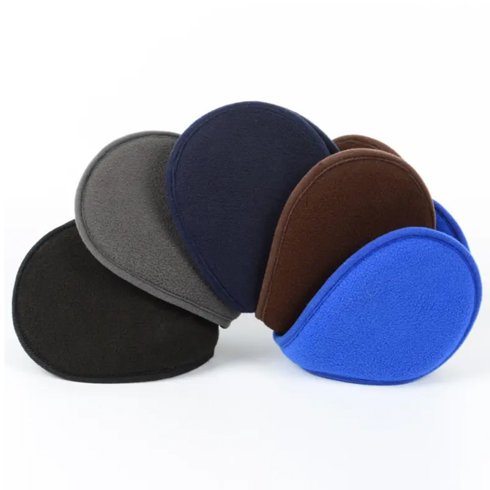
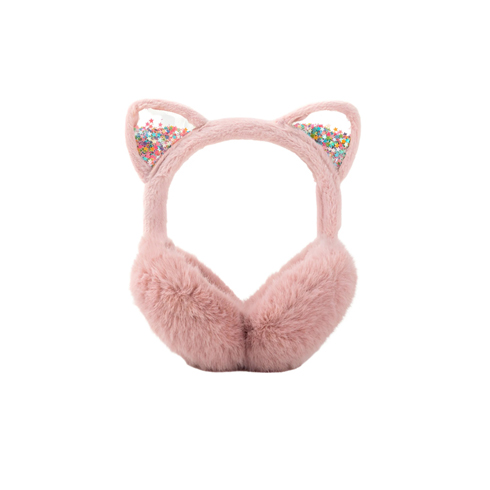
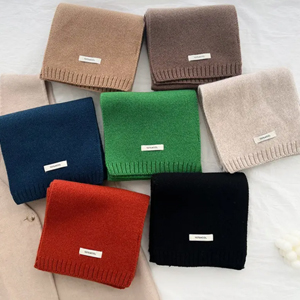
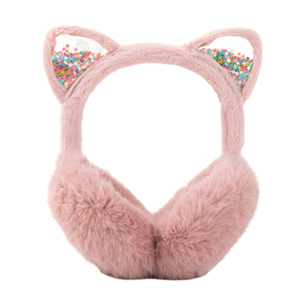
For example, a retailer can coordinate the beret logo treatment, woven labels, packaging, and color palette with beanies, scarves and winter earmuffs wholesale products. For warm-season or resort programs, the same labels and packaging can extend to sun visor wholesale styles.
Wool, wool blends, acrylic and polyester-based materials can all be suitable. The best option depends on the intended price level, warmth requirement, hand feel, structure and care expectations.
The head opening should be secure without excessive pressure, while the crown should maintain the intended silhouette. Fit should be tested on actual head forms rather than judged only from flat measurements.
Yes. Embroidery, woven labels, patches, metal details and other branding methods can be incorporated depending on the material and design.
There is no universal number. The important point is that the final pre-production sample must represent the exact construction, material, branding and packaging intended for bulk production.
At minimum, include material composition, dimensions, tolerances, colors, construction details, logo specifications, labels, packaging and quality requirements.
One common mistake is focusing on appearance while leaving fit, opening dimensions and production tolerances undefined. This can result in a product that looks correct but does not wear consistently.
Successful beret sourcing depends on controlling the product as a complete system rather than treating material, fit, branding and packaging as separate decisions. A commercially viable private-label beret needs a clearly defined material specification, repeatable dimensions, controlled branding and a retained approval sample that the factory can reproduce during bulk production.
For retailers, the strongest sourcing process starts with the intended customer and price position, translates those requirements into measurable specifications, and then validates the finished product through physical sampling and wear testing. That approach gives the manufacturer less room for interpretation and gives the brand a stronger basis for quality control as the collection scales.
