



Tel:
+86-0511-88891902

What are you looking for?
Winter accessory trends in 2026 will focus on the combination of functional performance, personalized design, sustainable materials, and versatile everyday use. For brands, wholesalers, and retailers, successful winter collections are no longer built only around warmth. Consumers increasingly expect products that provide comfort, style, durability, and a strong connection with lifestyle trends.
The most competitive winter accessories for 2026 will combine advanced materials with practical designs, including multifunctional scarves, textured knit hats, customized earmuffs, performance gloves, and comfortable winter socks. Manufacturers that understand material selection, consumer preferences, and customization requirements will be better positioned to support brands developing seasonal collections.
JIBIL specializes in customized winter accessories manufacturing, providing hats, scarves, gloves, socks, and other cold-weather products for global brands, wholesalers, and retailers. Through professional production experience and flexible customization capabilities, JIBIL helps customers create winter products that balance market trends with commercial requirements.
The winter accessory market in 2026 is expected to move toward products that combine fashion appearance with practical performance. Instead of choosing accessories only for basic protection against cold weather, consumers are looking for products that fit different lifestyles, from outdoor activities and commuting to fashion styling.
| Trend Direction | Main Features | Market Opportunity |
|---|---|---|
| Functional Winter Accessories | Thermal materials, weather protection, comfort-focused designs | Outdoor brands and performance markets |
| Fashion-Driven Knitwear | Unique textures, patterns, and seasonal colors | Retail and lifestyle collections |
| Customization | Personalized colors, logos, and branded designs | Private label and promotional products |
| Sustainable Materials | Recycled fibers and responsible sourcing | Eco-conscious consumers |
| Multi-Use Designs | Products suitable for multiple environments | Travel and outdoor markets |
Modern consumers expect winter accessories to do more than provide basic warmth. Products must adapt to different situations, including outdoor sports, urban commuting, travel, and casual fashion.
This change is influencing how manufacturers develop winter accessories. Designers are focusing on:
Improved thermal performance
Lightweight construction
Better moisture management
Comfortable fitting
Flexible styling options
For example, a winter hat used for outdoor activities may require stronger insulation and wind resistance, while a fashion-oriented product may prioritize texture, color, and visual appeal.
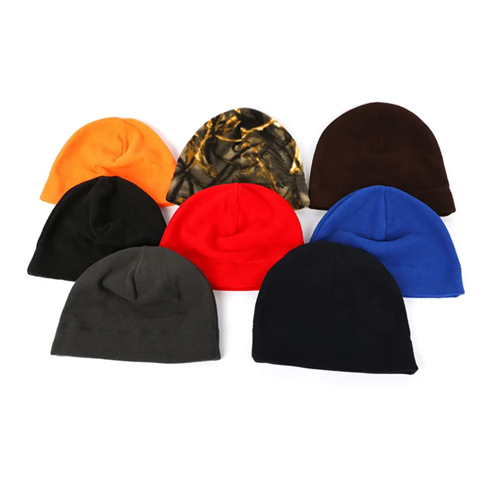
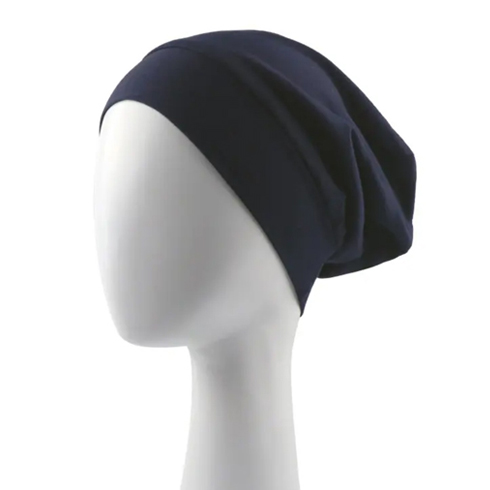
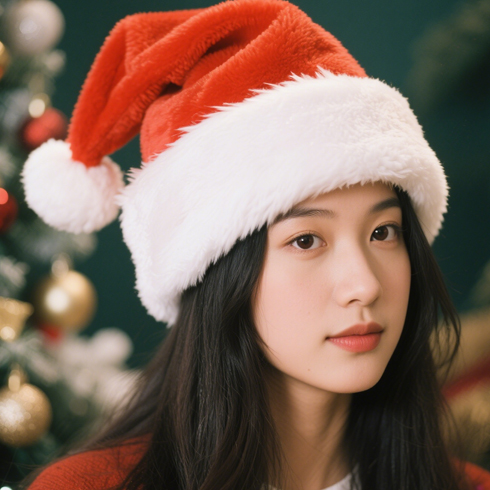
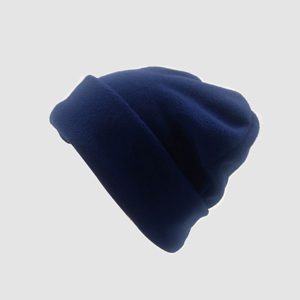
Winter hats remain one of the most important categories in seasonal accessory collections. In 2026, brands are expected to focus on designs that combine traditional craftsmanship with modern styling.
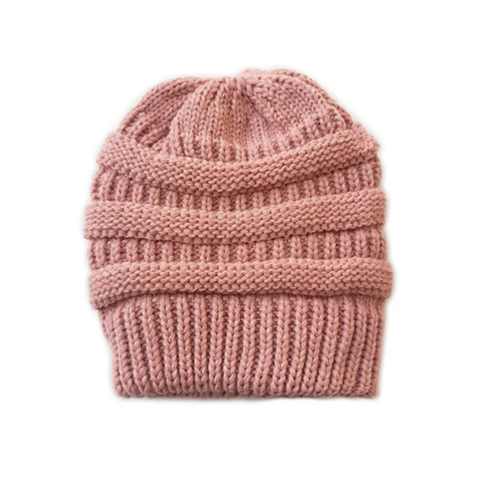
Textured knitting continues to be a strong trend because it adds visual value while maintaining practical warmth. Cable knitting, jacquard patterns, rib structures, and mixed yarn combinations allow brands to create differentiated winter collections.
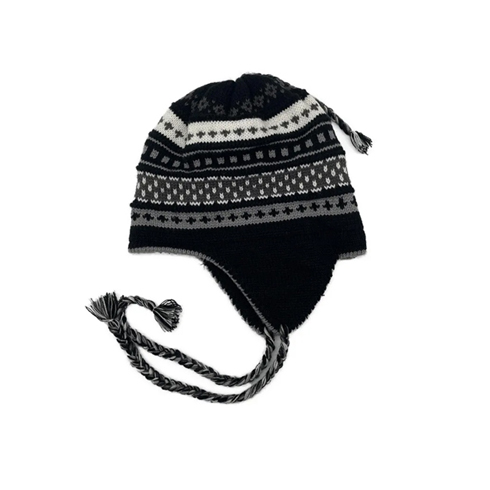
For brands targeting fashion and lifestyle markets, wholesale beanie hats with ear flaps represent an opportunity to combine traditional winter protection with unique styling elements. Ear coverage, decorative details, and customized colors make these designs suitable for both functional and fashion-focused collections.
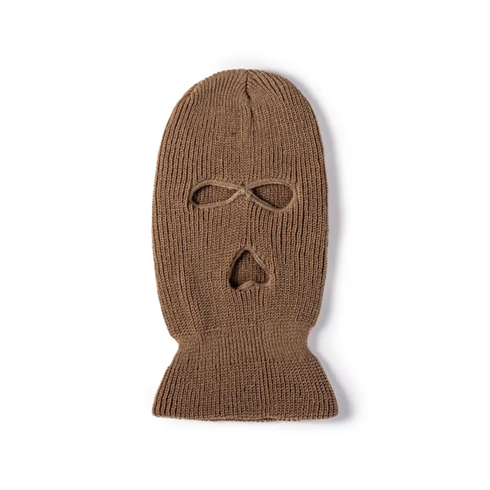
Consumers increasingly prefer products that can adapt to different environments. Winter hats with extended coverage, adjustable designs, or combined protection features provide greater value compared with single-purpose accessories. Brands exploring full-coverage styles often work with a balaclava manufacturer to develop head, ear and neck protection in a single product.
| Design Feature | User Benefit |
|---|---|
| Ear Coverage | Improves protection in cold and windy conditions |
| Stretch Construction | Provides comfortable fitting for different users |
| Thermal Lining | Enhances warmth retention |
| Custom Patterns | Creates stronger brand identity |
Material selection is becoming increasingly important as brands look for better performance and stronger product differentiation. The right material affects warmth, softness, durability, appearance, and sustainability.
| Material | Characteristics | Applications |
|---|---|---|
| Acrylic | Soft, affordable, color stable | Beanies, scarves, gloves |
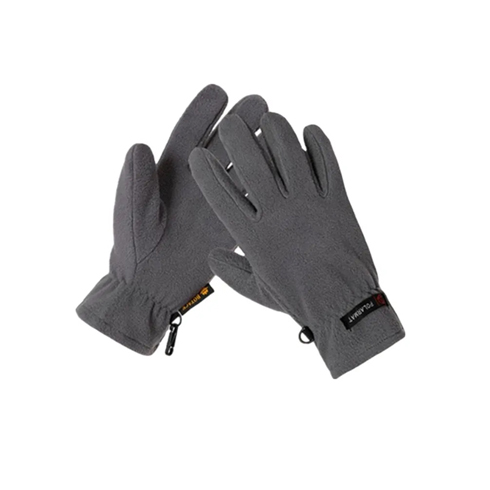
| Fleece | Warm, lightweight, comfortable | Outdoor winter accessories |
| Wool Blend | Premium feel and natural warmth | High-end collections |
| Recycled Fiber | Supports sustainable positioning | Eco-conscious brands |
| Performance Fabrics | Enhanced insulation and moisture control | Outdoor sports products |
Sustainability continues to influence winter accessory development. Many brands are exploring recycled fibers, responsible sourcing, and environmentally conscious production methods to meet changing consumer expectations.
However, sustainability must also maintain product performance. Winter accessories still need to provide warmth, comfort, and durability. Successful products balance environmental considerations with practical user requirements.
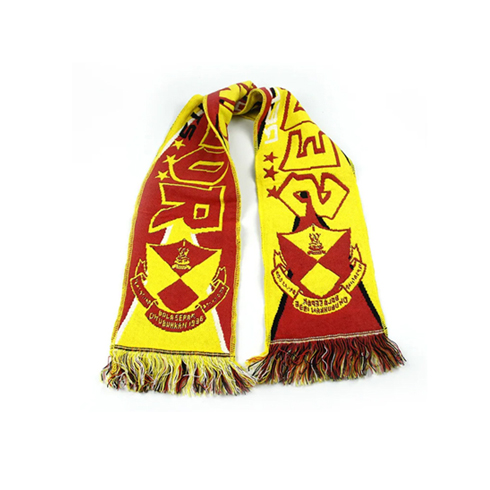
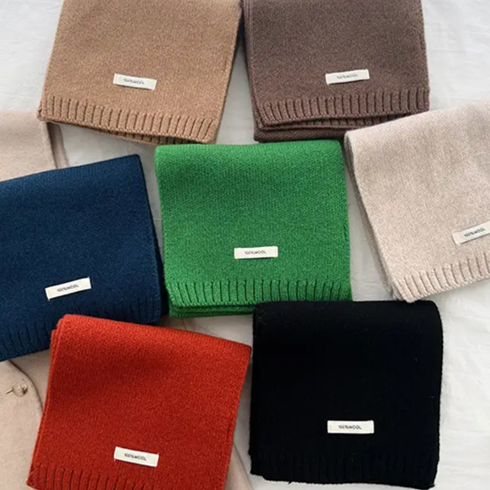
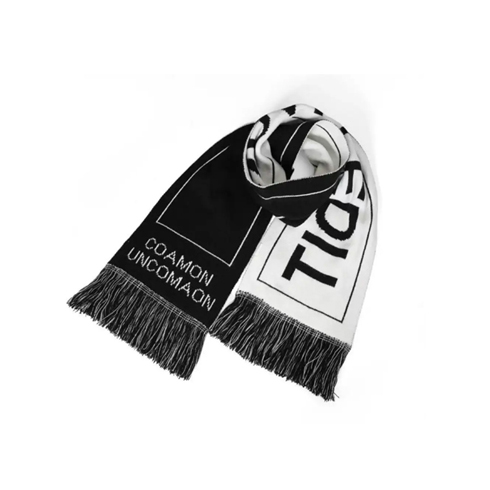
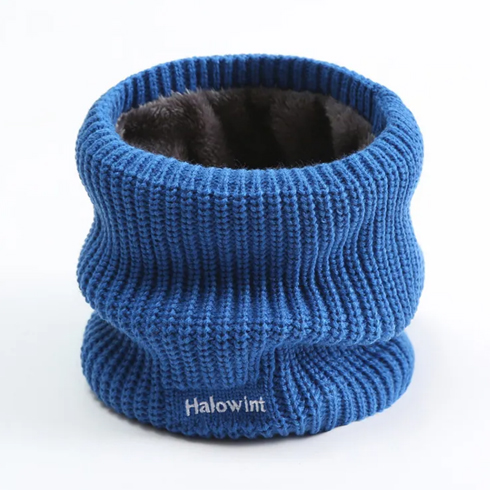
Scarves continue to be an essential winter accessory category because they combine practical protection with strong fashion potential. In 2026, scarf trends will focus on multifunctional designs, improved comfort, premium textures, and customization options that help brands create more distinctive collections.
Consumers are increasingly interested in winter accessories that can adapt to different environments. Scarves are no longer limited to traditional styling but are being developed for commuting, travel, outdoor activities, and casual fashion.
Popular design directions include:
Lightweight thermal scarves
Fleece-lined winter scarves
Convertible neck accessories
Compact travel-friendly designs
Fashion scarves with functional materials
For businesses developing winter accessory collections, material selection plays an important role in product positioning. A soft fashion scarf and a high-performance outdoor scarf may have completely different requirements in terms of fabric structure and finishing.
Texture will remain a key design element in 2026 winter collections. Brands are increasingly using knitting techniques, mixed yarns, and customized patterns to create products with stronger visual identity.
Common design approaches include:
| Design Approach | Market Value |
|---|---|
| Cable Knit Texture | Creates a premium handmade appearance |
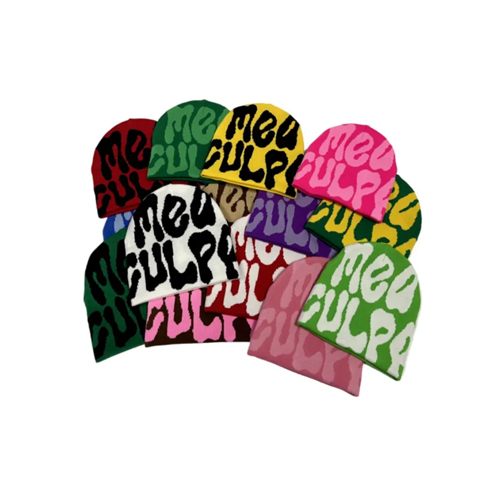
| Jacquard Patterns | Supports customized brand graphics |
| Mixed Yarn Structures | Adds visual and tactile differentiation |
| Custom Colors | Helps brands match seasonal trends |
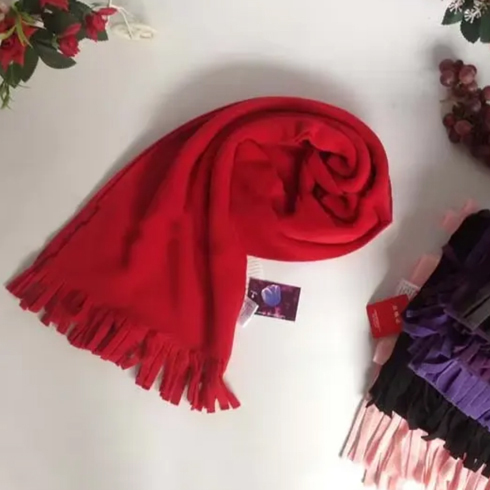
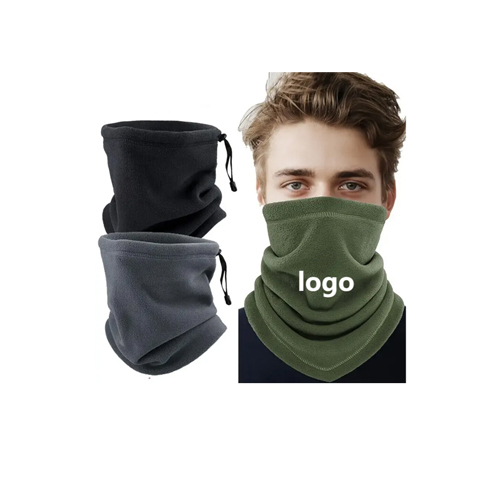
Functional materials will also remain important. For outdoor and cold-weather markets, fleece scarf wholesale solutions provide brands with practical options that combine warmth, comfort, and customization flexibility.
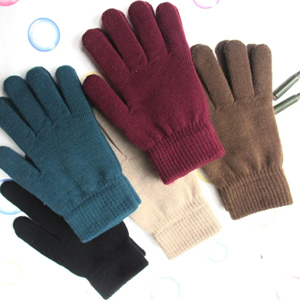
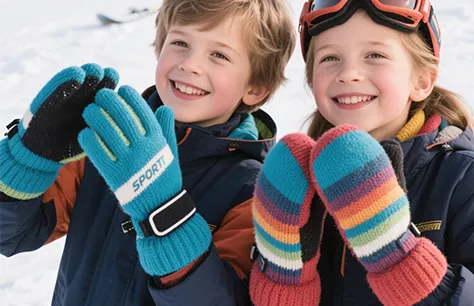
Winter gloves in 2026 will focus on the balance between protection, comfort, and usability. Consumers expect gloves to provide warmth while still allowing flexibility for daily activities and outdoor use.
Outdoor users require gloves that can handle changing weather conditions. Key product features include:
Thermal insulation
Breathable materials
Flexible finger movement
Durable construction
Comfortable inner lining
For skiing, hiking, cycling, and winter work applications, performance is usually more important than appearance. Manufacturers must carefully balance insulation thickness with mobility.
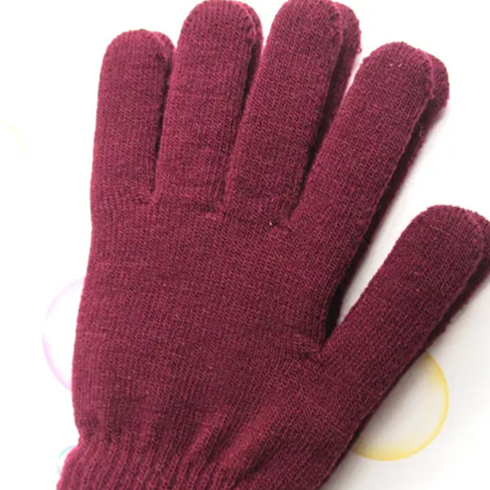
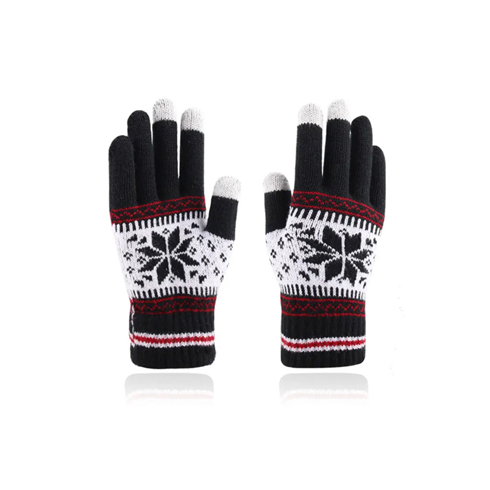
Fashion markets are increasingly combining style with practical functions. Popular glove developments include:
| Feature | Customer Benefit |
|---|---|
| Soft Knit Materials | Improves comfort and appearance |
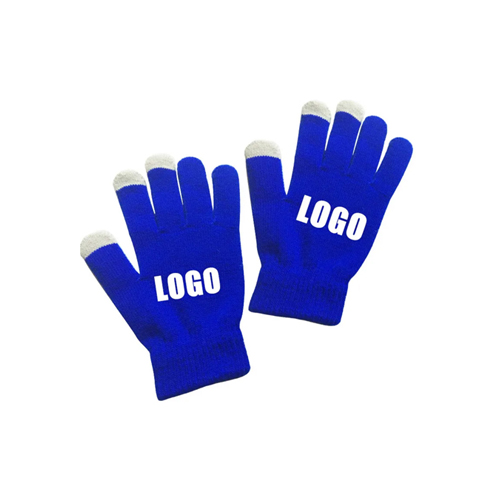
| Touchscreen Compatibility | Allows smartphone use without removing gloves |
| Custom Embroidery | Strengthens brand identity |
| Premium Yarn Blends | Creates higher perceived value |
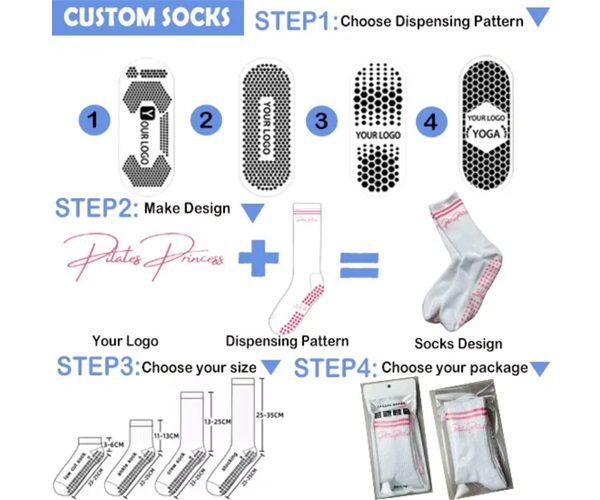
Winter socks are becoming increasingly performance-oriented as consumers pay more attention to comfort, moisture control, and long-term durability.
Modern winter sock designs focus on:
Improved thermal regulation
Better moisture management
Enhanced elasticity
Comfortable pressure distribution
Durable heel and toe construction
| Material | Performance Advantage |
|---|---|
| Wool Blend | Natural warmth and moisture control |
| Polyester Blend | Durability and quick drying |
| Acrylic Blend | Softness and cost efficiency |
| Recycled Fiber | Sustainable product positioning |
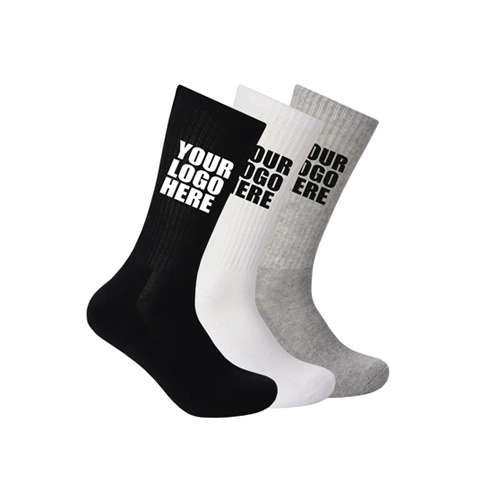
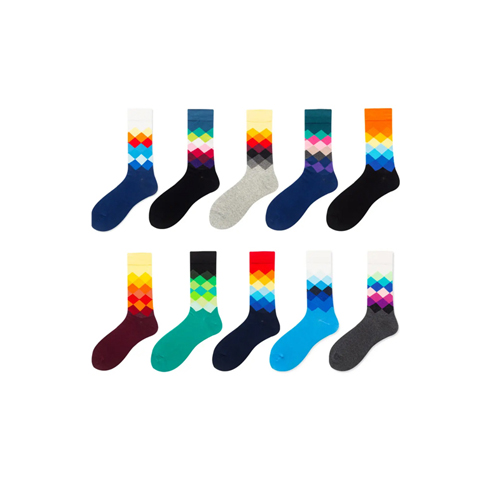
Brands developing winter sock collections should consider both consumer expectations and manufacturing capability. Product consistency, material control, and production experience are important factors when selecting a supplier.
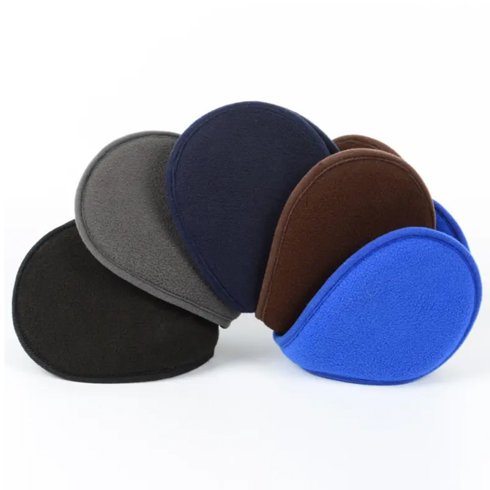
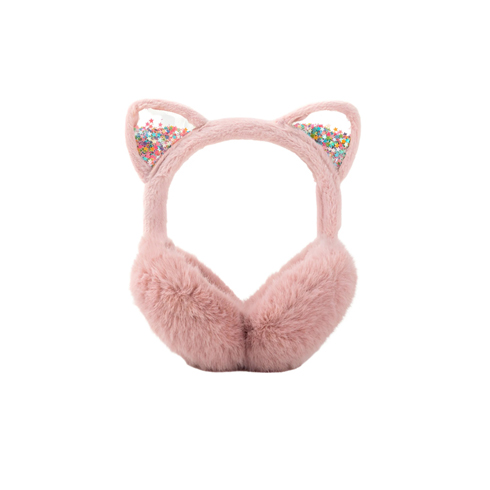
Customization will continue to be one of the strongest growth opportunities in the winter accessory market. Brands are moving beyond basic logo placement and exploring more personalized product development, including customized custom earmuffs, branded winter hats, scarves, and other seasonal accessories.

| Customization Method | Suitable Products | Advantages |
|---|---|---|
| Custom Colors | All winter accessories | Matches brand identity and seasonal trends |
| Embroidery | Hats, gloves, scarves | Premium and durable branding |
| Jacquard Design | Knit products | Creates unique patterns |
| Custom Labels | Private label collections | Improves brand recognition |
| Special Packaging | Retail products | Enhances customer experience |
Private label production allows brands to create products that are different from standard market offerings. Instead of competing only on price, businesses can build stronger customer loyalty through unique designs, customized materials, and exclusive collections.
Professional manufacturers help brands manage the complete development process, including:
Product concept development
Material recommendation
Sample creation
Production management
Quality inspection
Selecting the right manufacturing partner is one of the most important decisions for brands preparing 2026 winter collections. A supplier should provide more than production capacity; they should understand materials, trends, and market requirements.
| Evaluation Factor | Why It Matters |
|---|---|
| Material Expertise | Ensures suitable product performance |
| Customization Ability | Supports unique brand development |
| Quality Control | Maintains consistency across orders |
| Production Experience | Reduces manufacturing risks |
| Communication Efficiency | Improves project management |
JIBIL helps global brands, wholesalers, and retailers develop winter accessory collections that match changing market demands. With experience across hats, scarves, gloves, and socks, JIBIL provides solutions for businesses looking for reliable manufacturing support.
The company supports customers through different stages of product development, including material selection, design customization, production coordination, and quality management.
| Capability | Customer Benefit |
|---|---|
| Wide Product Range | Supports complete winter accessory collections |
| Material Selection Support | Helps choose suitable fabrics and yarns |
| OEM Customization | Enables private label development |
| Quality Management | Provides stable bulk production |
| Trend Awareness | Helps brands respond to market changes |
The major winter accessory trends for 2026 focus on combining functionality, fashion, sustainability, and customization. Consumers are increasingly looking for products that provide warmth while matching their lifestyle and personal preferences.
Key trends include:
Multifunctional winter accessories
Premium textured knit designs
Sustainable and recycled materials
Customized colors and branding
Performance-focused outdoor products
For brands, these trends create opportunities to develop winter collections that provide stronger product differentiation and higher customer value.
Popular materials in 2026 will include acrylic, wool blends, fleece, polyester blends, and recycled fibers. The best material depends on the intended application and target market.
For example, fashion brands may prefer soft yarns with attractive textures, while outdoor-focused products may require thermal fabrics with stronger insulation and moisture management performance.
Professional manufacturers help brands select materials based on climate conditions, product positioning, and customer expectations.
Brands can customize winter accessories through multiple methods, including custom colors, embroidery, woven labels, jacquard patterns, special materials, and packaging solutions.
Customization allows businesses to create exclusive collections instead of competing with standard products. This is especially valuable for private-label brands, retailers, promotional companies, and seasonal fashion businesses.
Yes. Sustainability is becoming an important consideration in winter accessory development. Many brands are exploring recycled fibers, responsible sourcing, and environmentally conscious manufacturing practices.
However, sustainability must be combined with product performance. Winter accessories still need to provide warmth, comfort, durability, and attractive design to satisfy consumers.
Brands should evaluate a supplier's material knowledge, manufacturing experience, customization capability, quality control system, and communication efficiency.
A reliable supplier should be able to support the complete development process, from product ideas and material selection to production and final inspection.
Working with an experienced manufacturer reduces production risks and helps brands maintain consistent quality across seasonal collections.
Customized winter accessories allow brands to create products that better match their target customers and market positioning. Instead of selling generic products, businesses can develop unique designs with specific colors, patterns, materials, and branding elements.
As competition increases in the winter accessory market, customization provides an effective way for brands to improve recognition, build customer loyalty, and create higher-value products.
Winter accessory trends for 2026 show a clear movement toward products that combine functionality, design innovation, sustainable materials, and customization. Hats, scarves, gloves, and socks are no longer viewed only as seasonal necessities; they have become important lifestyle products that reflect consumer preferences and brand identity.
For businesses developing winter collections, understanding market trends and manufacturing capabilities is essential. The most successful products will combine suitable materials, practical designs, reliable production processes, and customization options that meet specific customer needs.
JIBIL supports global brands, wholesalers, and retailers with customized winter accessory manufacturing solutions, helping customers transform product concepts into market-ready collections. Through professional experience in hats, scarves, gloves, and socks production, JIBIL provides reliable support for businesses seeking quality, flexibility, and long-term cooperation.
By working with an experienced winter accessory manufacturer, brands can better respond to changing consumer expectations and create products that remain competitive in the evolving 2026 winter market.
1. https://www.textileinstitute.org/