






Tel:
+86-0511-88891902

What are you looking for?
In 2026, streetwear is leaning harder into utilitarian silhouettes, vintage military inspiration, and functional everyday accessories — making the army cap a high-velocity add-on category for apparel retailers. To capture margin and avoid stockouts during peak drops, buyers need more than a trendy shape. They need reliable army cap suppliers who can deliver consistent fit, color, and branding across repeat orders as demand accelerates through the season.
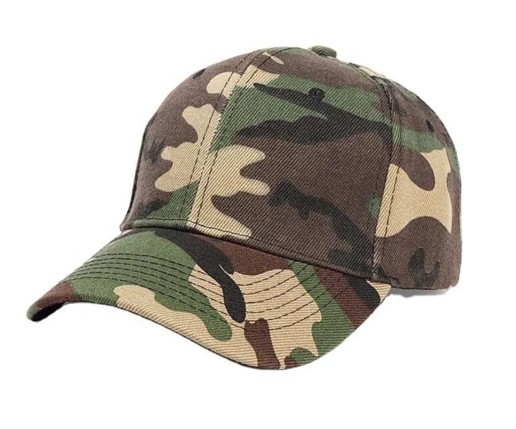
The army cap is benefiting from a broader fashion shift — not just a seasonal moment. Three converging trends are making it one of the easiest headwear categories to sell into in 2026.
What Is Driving the Army Cap Category
| Trend Driver | How It Connects to Army Caps |
|---|---|
| Workwear and tactical revival | Structured military silhouette fits the workwear-inspired dressing trend across all genders |
| Minimal logo aesthetic | Army caps wear branding subtly — embroidered or patched rather than printed — which aligns with premium streetwear sensibility |
| Gender-neutral dressing | Unstructured and semi-structured cap fits sit across menswear and womenswear assortments without resizing |
| Functional everyday accessories | Practical, weather-appropriate, versatile across casual and semi-styled looks |
Why Army Caps Convert at Retail
Low price point makes them an easy impulse add-on at checkout or alongside outfit purchases
Easy to merchandise with outerwear, footwear, and seasonal capsule drops
Customers who buy one tend to return for additional colorways — especially if the fit and fabric are consistent
Best Retail Placements
Front-of-store and checkout zone for impulse capture
Capsule drop positioning alongside limited-edition colorways
Seasonal bundles with jackets, cargo pants, or backpacks for higher average order value
Fabric and finish selection determines whether an army cap reads as premium streetwear or generic promotional headwear. The right combination for your customer and price point is one of the first conversations to have with army cap suppliers.
Fabric Options and Their Retail Positioning
| Fabric/Finish | Feel and Look | Target Customer | Price Point |
|---|---|---|---|
| Cotton twill (6-panel or 5-panel) | Classic structure, clean lines, holds shape | Core streetwear and lifestyle buyers | Entry to mid |
| Ripstop nylon or poly-ripstop | Technical, tactical, utility vibe | Trend-forward streetwear, outdoor-influenced buyers | Mid |
| Washed or garment-dyed cotton | Soft, vintage, faded finish | Premium streetwear, brand-conscious buyers | Mid to premium |
| Canvas with enzyme wash | Heavier, structured with broken-in feel | Heritage and workwear positioning | Mid to premium |
2026 Color Palette
| Color | Notes |
|---|---|
| Olive drab | The anchor color — sells in every market and every season |
| Khaki and stone | Cleaner, more accessible across demographics |
| Washed black | Premium streetwear staple; pairs with everything |
| Desert sand | Strong in warm-climate and Middle Eastern markets |
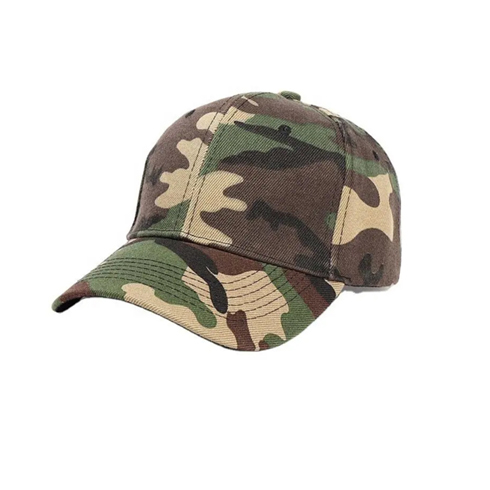
| Camo variants | Seasonal and region-dependent; strong for drops |
Fit Specs to Define Before Ordering
Crown height: mid-profile (6–7 cm) is the most versatile streetwear fit
Brim length: 6–7 cm flat or slightly curved; avoid overly curved baseball cap brims
Sweatband: cotton or poly-cotton terry; confirm for comfort during wear
Back closure: adjustable buckle or Velcro for one-size programs; confirm quality on the adjuster
For private label and branded retail programs, the customization method is as important as the cap itself. The right branding execution elevates a standard cap to a product customers associate with your brand identity.
Branding Methods and Their Effect
| Method | Look and Feel | Best Application |
|---|---|---|
| Embroidery (front panel) | Clean, premium, durable | Logo-forward programs; classic streetwear positioning |
| Woven label (side or back) | Subtle, high-end feel | Secondary branding; interior branding for premium tier |
| Rubber or PVC patch | Bold, dimensional, tactile | Drop-focused programs; youth streetwear |
| Metal badge or pin | Artisan, vintage, collectible feel | Limited edition or premium capsule drops |
| Screen print (under brim or inner tape) | Hidden detail; brand story | Customer discovery moment; premium feel at low cost |
Premium Add-On Details Worth Specifying
Contrast stitching on brim or crown seams for visual interest
Inner sweatband print or woven label with brand messaging
Custom adjuster buckle in metal or custom color
Tonal or contrast underbrim — a detail that photographs well for social content
Sampling Workflow
Tech pack submission → fabric and color lab dip approval → pre-production sample review → bulk production confirmation. Do not skip the pre-production sample step for washed finishes — garment-dyed and enzyme-washed results vary between dye lots and must be approved physically before committing to bulk.
A well-designed army cap can still generate returns if QC is not defined and enforced before shipment. The most common problems are all preventable at the inspection stage.
QC Checkpoints for Bulk Army Cap Orders
| Inspection Item | What to Check | Accept Criteria |
|---|---|---|
| Stitching density | Stitch count per cm on all seams | Minimum 7–8 stitches per cm; no skipped stitches |
| Seam alignment | Crown panels and brim join | Seams meet cleanly at top button; no offset or twist |
| Brim symmetry | Measure left and right brim width | Within 2 mm across width; no upward or downward curl |
| Shape retention | Press crown flat; observe recovery | Returns to shape within 30 seconds |
| Adjuster durability | Open and close buckle/Velcro 20 times | No delamination, splitting, or Velcro fiber loss |
| Embroidery quality | Check density and edge definition | No thread pulls, puckering, or unraveling at edges |
| Color consistency | Compare across units from same lot | No visible shade variation between pieces in the same colorway |
| Washed finish consistency | Compare vintage/garment-dyed units | Define acceptable variation range; approve a range sample set |
Packaging Requirements
Individual polybag per cap with shape insert or cardboard form to maintain crown structure
Barcode label on polybag or hang tag — confirm format for your retail system
Polybag age-warning print where required by market regulation
Carton labeling: colorway, size, quantity, and PO reference clearly marked
Stack cartons with caps brim-to-brim to prevent brim deformation in transit
A sound buying plan protects margin and avoids the two most common wholesale mistakes — overbought slow-turn colors and stockouts on fast-turn core SKUs.
Seasonal Buy Plan Structure
| SKU Type | Strategy | Suggested Starting Quantity |
|---|---|---|
| Core always-in-stock (olive, black, khaki) | Maintain minimum stock; reorder on velocity trigger | 100–200 units per color for mid-size retailers |
| Seasonal accent colors (sand, camo, washed variants) | Smaller initial buy; no reorder commitment until sell-through confirmed | 50–100 units per color |
| Drop-exclusive colorways | Limited quantity; create urgency | 30–75 units; no reorder planned |
Size Strategy
Adjustable one-size-fits-most programs reduce inventory complexity and lower the risk of size imbalance. If a fitted program is planned, limit to two sizes (S/M and L/XL) and weight the buy toward the larger size for adult markets.
Commercial Terms to Clarify with Army Cap Suppliers
| Term | What to Confirm | Why It Matters |
|---|---|---|
| MOQ per color | Minimum units required to run a colorway | Determines whether core/accent color strategy is viable |
| MOQ per logo | Minimum embroidery or patch run | Affects custom branding viability at lower volumes |
| Production lead time | Weeks from order confirmation to ex-factory | Plan against retail floor date; build in buffer |
| Rush production option | Availability and cost premium | Useful for reorders when sell-through exceeds forecast |
| Reorder consistency | Same fabric lot or reserved fabric program | Critical for washed finishes — color must match original |
| Sample policy | Cost, turnaround time, and credit on bulk order | Standard expectation; confirm before committing to a supplier |
For 2026, the army cap is more than a trend accessory — it is a repeatable, high-turn category that lifts basket size, fits multiple retail contexts, and strengthens a brand's streetwear positioning with minimal investment. The key is sourcing from dependable army cap suppliers who can support consistent quality, flexible customization, and fast reorders as demand builds through the season.
Q1: Why are army caps trending in 2026 streetwear?
Utility styling, vintage military influence, and gender-neutral functional accessories are among the strongest fashion directions of the season. Army caps are easy to style across multiple looks, carry branding subtly, and sit at a price point that converts well across all retail formats from boutiques to online drops.
Q2: What is the best fabric for an army cap retail program?
Cotton twill is the reliable classic for structured caps with broad appeal. Ripstop fabric fits the tactical utility trend for more trend-forward buyers. Washed and garment-dyed finishes deliver a premium vintage look that supports higher retail price points. The right choice depends on your customer profile and target price tier.
Q3: What customization options work best for private label army caps?
Embroidery on the front panel is the most versatile premium branding method — clean, durable, and compatible with most cap constructions. Rubber or PVC patches create a stronger visual identity for drop-focused programs. Woven labels and inner tape branding add a premium discovery detail that reinforces brand perception without dominating the exterior design.
Q4: What should I look for when evaluating army cap suppliers?
Consistent fit and crown shape across lots, color stability on washed and dyed finishes, stitching density and seam quality, clear sampling and approval workflow, packaging that protects cap shape in transit, realistic and reliably met lead times, and the ability to maintain the same materials and construction on reorders.
Q5: How can retailers reduce inventory risk when buying army caps?
Start with core colors — olive, black, and khaki — at moderate quantities and test sell-through velocity before committing to larger reorder volumes. Use adjustable one-size fits most construction to eliminate size imbalance risk. Keep limited-edition and drop colorways at low initial quantities to create urgency, and work with suppliers who can fulfill fast reorders when a color breaks out faster than forecasted.