




Tel:
+86-0511-88891902

What are you looking for?
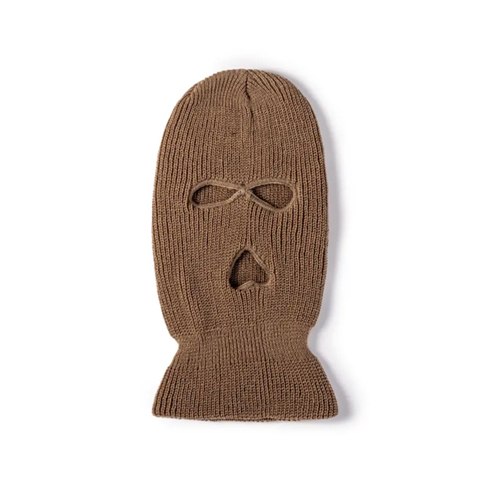
In 2026, the balaclava has moved well beyond cold-weather utility into a statement streetwear accessory — showing up in capsule drops, lookbooks, and influencer styling across multiple regions. For brands, it is a high-margin add-on that can be launched quickly with embroidery, jacquard logos, or custom knit patterns. To execute cleanly at scale, sourcing from a reliable balaclava China supply chain ensures consistent sizing, comfortable yarn quality, and repeatable branding across reorders as demand builds.
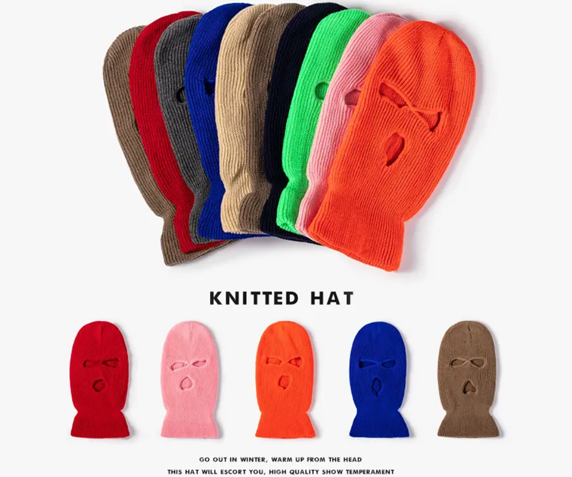
The balaclava's streetwear moment is not a flash trend — it is the product of several converging fashion and cultural forces that are still building momentum into 2026.
What Is Driving Demand
| Trend Driver | How It Connects to Balaclavas |
|---|---|
| Utilitarian fashion | Military and tactical-inspired accessories are a consistent sell-through category in streetwear |
| Music and creator culture | High-visibility styling in music videos and creator content has normalized the balaclava as an identity piece |
| Winter layering culture | Sits naturally over hoodies, under puffer jackets — a functional piece that earns its place in a cold-weather wardrobe |
| Identity accessory behavior | Full-face or half-face coverage creates a strong visual statement — customers wear it as much for the look as for the warmth |
Why It Works at Retail
Small, lightweight SKU with low storage and shipping cost relative to margin
Impulse purchase behavior — easy to add at checkout or as a bundle with a hoodie or jacket drop
Works as a hero item in capsule photography — creates dramatic imagery with minimal styling effort
Reorder-friendly when fit and color are consistent — customers come back for additional colorways
Where It Fits Best
Fall and winter seasonal launches
Limited edition drops with branded packaging
Team and crew merch programs
Outdoor and lifestyle brand extensions into accessories
Not all balaclavas are made the same way, and the construction choice directly affects how the product feels, performs, and retains its shape over time. Balaclava China manufacturers typically offer several construction options — knowing the trade-offs helps you specify correctly from the first order.
Construction and Fabric Options
| Construction | Feel and Function | Best Application |
|---|---|---|
| Acrylic rib knit | Warm, stretchy, good shape retention, cost-effective | Core streetwear programs, cold-weather focus |
| Cotton blend knit | Softer against skin, less itch, slightly less warm | Lifestyle and premium positioning |
| Polyester performance blend | Lightweight, breathable, quick-drying | Active, outdoor, or sport-inspired programs |
| Jacquard knit | Pattern or logo knitted into the fabric structure | Premium tier; creates a high-end branded look |
Fit and Comfort Specifications to Define
| Spec | Recommended Target | Why It Matters |
|---|---|---|
| Face opening width | 14–16 cm unstretched | Must accommodate diverse face widths without pulling |
| Overall length | 40–45 cm from crown to hem | Covers neck and tucks into collar comfortably |
| Stretch recovery | Returns to original dimensions after 3x stretch | Prevents bagging and shape loss after wear |
| Nose and cheek comfort | No rough seam across nose bridge | Seam placement affects wearability significantly |
| Breathability | Defined by fabric gauge and blend | Important for active use and all-day wear |
Durability Considerations
Pilling resistance: test acrylic blends after 20 wash cycles — pilling is the most common complaint on lower-grade yarns
Colorfastness: particularly important for black and dark colorways; test for both wash and rub fastness
Itch control: finer gauge yarns and cotton blends perform better for sensitive skin markets
The balaclava's visual impact in campaign photography and social content depends heavily on how branding is applied. The wrong method on a stretch knit fabric creates distortion or low contrast — the right method creates a clean, premium result that photographs well and reinforces brand identity.
Branding Method Comparison
| Method | Best For | Limitation |
|---|---|---|
| Embroidery (front or side panel) | Clear logo on flat or low-stretch areas; versatile for most MOQs | Can pucker on high-stretch zones if backing is not adequate |
| Woven label (sewn to edge or interior) | Subtle branded detail; works on all fabric types | Less visible in campaign photography |
| Heat transfer | Simple graphic on smoother knit surfaces | Not recommended for high-stretch areas; can crack after washing |
| Jacquard knit-in pattern or logo | Highest premium look; logo is part of the fabric structure | Higher MOQ and longer lead time; best for hero SKUs |
Design Checklist for Stretch Fabrics
Place embroidery on lower-stretch areas (forehead panel, not cheek zone) to minimize distortion
Use backing stabilizer behind embroidery to prevent puckering during stitching
Keep logo size in proportion — oversized embroidery on a small face panel rarely looks intentional
Test stitch density on the actual knit construction before approving — density that works on woven fabric may behave differently on knit
Sampling Workflow
Tech pack with measurements and branding brief → yarn color approval (swatch matching) → pre-production sample with branding applied → seal sample approval before bulk run. Do not skip yarn color approval — knit colors shift between yarn dye lots and must be confirmed physically.
Fit complaints are the most common return driver for balaclavas — particularly face opening size, overall length, and stretch recovery. Define acceptance criteria before production begins, not after delivery.
QC Checklist for Bulk Balaclava Orders
| Inspection Item | Method | Accept Criteria |
|---|---|---|
| Face opening width | Unstretched measurement | Within plus or minus 1 cm of approved sample |
| Overall length | Flat measurement from crown | Within plus or minus 1.5 cm of approved sample |
| Stretch recovery | Stretch to 3x; measure after 30 seconds | Returns to within 5% of original dimension |
| Seam strength (cut-and-sew styles) | Pull test at main seams | No seam separation under standard tension |
| Stitch uniformity (fully knit styles) | Visual inspection across full surface | No dropped stitches, runs, or density variation |
| Embroidery alignment | Measure from center front | Within plus or minus 3 mm of specified placement |
| Logo clarity | Visual inspection under standard lighting | No thread pulls, puckering, or unraveling at edges |
| Odor check | Physical inspection | No chemical, dye, or mildew odor |
| Loose threads | Visual pass | Zero loose threads on interior or exterior |
| Pilling check | Rub test on fabric surface | No immediate pilling on new unit |
Packaging Requirements
Individual polybag per unit — confirm whether age-warning print is required for your market
Size label or hang tag visible through polybag
Barcode sticker in correct format for your retail system
Carton moisture protection for ocean freight — silica gel sachet per master carton
Cartons labeled with colorway, style code, quantity, and PO reference
A structured buy plan prevents the two most common launch problems — insufficient stock on a fast-moving color and overcommitment on an unproven style.
Recommended Initial Assortment Structure
| SKU Type | Colors | Suggested Starting Quantity |
|---|---|---|
| Core always-in-stock | Black, charcoal, cream | 100–200 units per color for mid-size brands |
| Seasonal accent | Olive, burgundy, or brand-specific color | 50–100 units; reorder on sell-through confirmation |
| Drop-exclusive | One striking or limited colorway | 30–75 units; no planned reorder — create urgency |
Size Strategy
One-size adjustable stretch construction is the lowest-risk option for a first launch — it eliminates size imbalance inventory risk and reduces SKU complexity. If a graded size program is planned, limit to two sizes (regular and large) and weight the buy toward the larger size for adult markets.
Commercial Terms to Confirm with Balaclava China Partners
| Term | What to Confirm | Why It Matters |
|---|---|---|
| MOQ per color | Minimum units to run a single colorway | Determines whether accent and drop colors are viable |
| MOQ per logo method | Minimum for embroidery or jacquard program | Critical for smaller brands with tighter budgets |
| Production lead time | Weeks from order to ex-factory | Build against retail drop date with buffer for sampling delays |
| Reorder lead time | Rush capability and standard reorder timeline | If a color breaks out, you need to know how fast you can resupply |
| Yarn lot consistency | How color is matched on reorders | Washed and dyed colorways are vulnerable to shade variation between lots |
| Sample cost and credit | Upfront sample fee and bulk order credit policy | Standard expectation; confirm before committing to a supplier |
For 2026 collections, the balaclava is a fast-moving accessory category that sharpens brand identity, increases order value, and creates strong visual impact in campaign content with minimal complexity. The key to a successful launch is partnering with a dependable balaclava China manufacturer who delivers consistent fit, comfortable materials, and repeatable customization from approved sample through bulk reorder.
Q1: Why are balaclavas popular in 2026 streetwear?
They combine utility and identity styling in a single accessory — easy to layer in cold weather, visually distinctive in campaign photography, and well-suited to the capsule drop format that drives streetwear retail. Music and creator culture has normalized them as a statement piece rather than purely functional headwear.
Q2: What is the best material for a streetwear balaclava?
Acrylic rib knit is the most common choice for warmth, stretch, and cost control. Cotton blends offer a softer feel and less itch for lifestyle-positioned programs. Polyester performance blends improve breathability and quick-dry performance for active or outdoor-inspired lines. The right choice depends on your customer profile and target retail price.
Q3: Which branding method looks best on a balaclava?
Jacquard knit-in logos deliver the most premium look because the branding is part of the fabric structure — no risk of peeling or distortion after washing. Embroidery is the most flexible option for a wider range of MOQs and creates a clean, three-dimensional logo that reads well in photography. Avoid heat transfer on high-stretch areas of knit construction.
Q4: What should I verify with a balaclava China supplier before confirming bulk production?
Face opening size and overall length on a physical pre-production sample, stretch recovery after multiple stretch cycles, pilling resistance on the yarn, embroidery or jacquard alignment and clarity, colorfastness on dark colorways, packaging specification including size labeling and barcode format, realistic production and delivery timeline, and the reorder consistency process for yarn color matching.
Q5: How can brands reduce risk on the first balaclava drop?
Start with two or three core colors — black, charcoal, and one accent — at conservative quantities. Use a one-size stretch construction to eliminate size imbalance risk. Approve a physical seal sample before authorizing bulk production. Set clear written QC criteria and plan your reorder timing before the drop launches so you can move quickly if sell-through exceeds forecast.