





Tel:
+86-0511-88891902

What are you looking for?
Buying neck warmers in bulk looks simple until a buyer has to turn a visual idea into a repeatable production specification. Two products can look almost identical in a catalog and still perform very differently after washing, outdoor use, embroidery, packing, and transportation. The practical difference is usually created by material construction, fabric weight, stretch, seam design, finishing, decoration method, and the level of control applied during sampling and mass production.
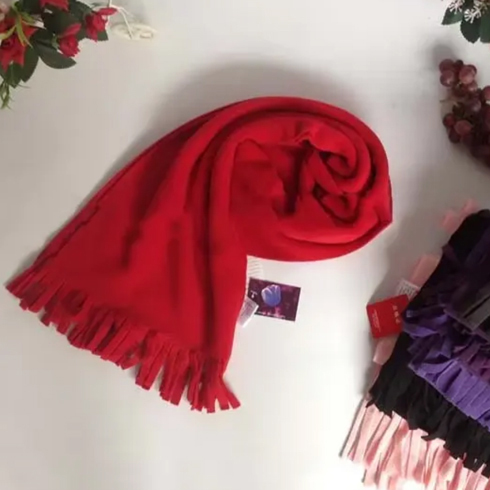
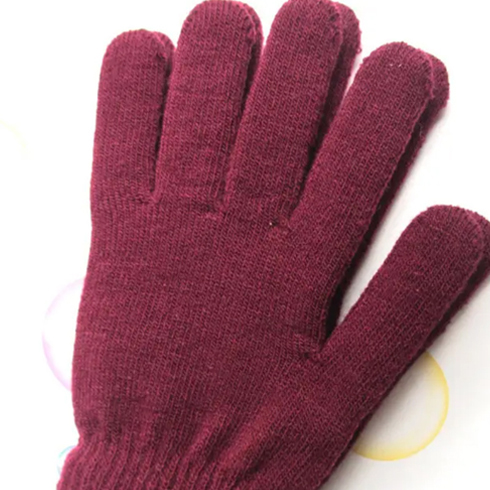
This guide is written for fashion brands, sports programs, outdoor retailers, promotional distributors, ski operators, schools, corporate buyers, and importers comparing a neck warmer wholesale program. It explains when fleece is the better choice, when knitted construction creates more value, which specifications should appear on a purchase order, and how to evaluate a supplier before approving a bulk run. It also shows how a broader winter-accessory assortment, such as wholesale beanie hats with ear flaps and bulk fleece scarves, can be coordinated without creating unnecessary color, packaging, or inventory complexity.
JIBIL currently presents its group manufacturing background as more than 30 years, with more than six factories, over 300 workers, monthly production capacity above 1.8 million pieces, exports to more than 60 countries, and cooperation with more than 1,000 customers. Those figures provide useful context, but a professional buyer should still verify the capabilities that apply to the exact product, factory, material, decoration process, and delivery window involved in the order.
A neck warmer wholesale specification is a written definition of the product’s material, construction, dimensions, performance, appearance, packaging, and acceptance criteria.
The first sourcing mistake is approving a sample by appearance alone. A good sample must be converted into measurable requirements so that the production team, quality inspector, and buyer are judging the same product. A photograph cannot confirm fabric weight, recovery after stretching, shrinkage after washing, seam comfort, color tolerance, or the position of a woven label. A complete specification should therefore contain both visual references and numeric tolerances.
At minimum, define the finished width, finished height, circumference where relevant, material composition, nominal fabric weight, stretch direction, seam type, edge finish, color reference, logo size, logo location, packaging method, carton marking, and destination-market labeling. If the product is sold in adult, youth, and child sizes, each size should have a separate measurement table rather than a single statement such as “one size fits all.”
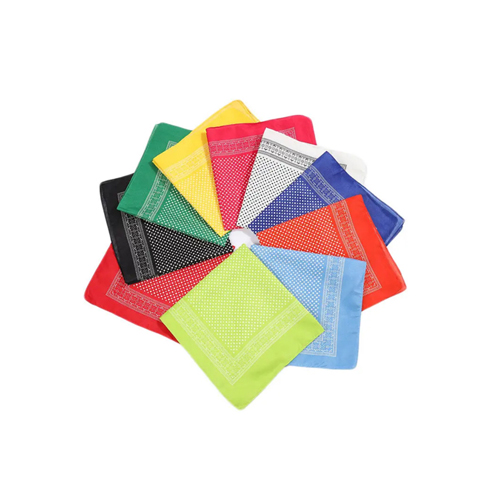
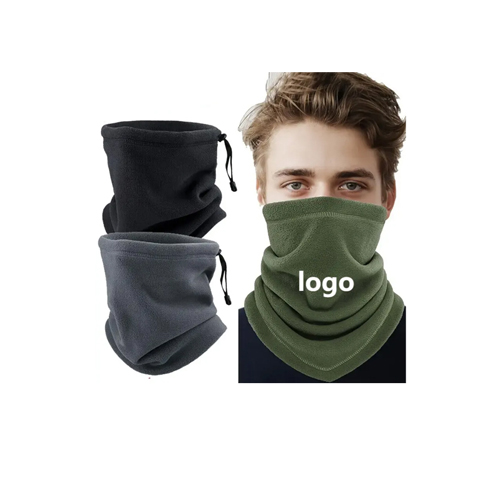
For a tube-style fleece neck warmer, buyers commonly specify a rectangular finished size or a finished circumference and height. A product page may show a familiar 25 x 50 cm tube-bandana format, but that dimension should never be copied automatically to another product. Fleece thickness, seam allowance, intended wearing style, and target user can change the correct dimensions. The measurement method also matters: the factory and buyer should agree whether dimensions are taken laid flat, unstretched, after conditioning, and before or after washing.
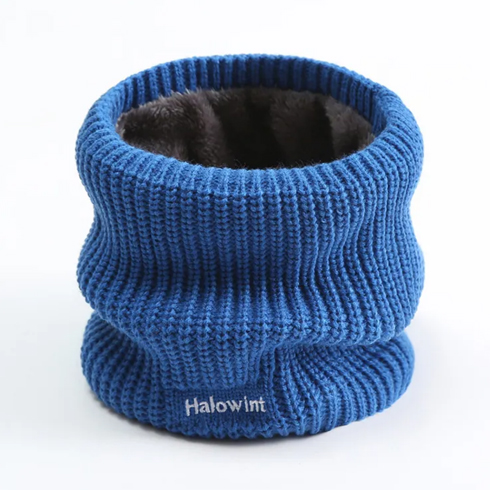
Material composition should be expressed clearly. “Fleece” is a construction and finish category, not a complete fiber description. A purchase order should distinguish polyester fleece, recycled polyester fleece, cotton-rich fleece, or another blend. For knitted products, the fiber content may include acrylic, wool, cotton, polyester, or blends. JIBIL’s current neck-warmer page lists a 100% acrylic knitted option and a 100% polyester fleece option, which illustrates why the material line must be tied to the exact style rather than the category name alone.
Color control is another essential requirement. A buyer can approve a Pantone reference, a lab dip, a yarn card, or an approved physical sample. The production document should identify which reference has priority if they differ. Dark colors, fluorescent colors, heather yarns, and recycled materials may create different shade-control challenges, so buyers should define an acceptable tolerance instead of relying on the phrase “same as sample.”
Fleece and knitted neck warmer wholesale products differ mainly in thermal feel, stretch behavior, surface appearance, branding compatibility, bulk, and price structure.
| Decision Factor | Fleece Neck Warmer | Knitted Neck Warmer |
|---|---|---|
| Typical feel | Soft, brushed, lightweight-to-warm, with fast perceived warmth | Textured, elastic, fashion-oriented, with yarn-defined hand feel |
| Common fiber options | Polyester, recycled polyester, blends | Acrylic, wool, cotton, polyester, blends |
| Stretch | Depends on knit base and construction; often moderate | Usually higher and more adaptable when rib or elastic structures are used |
| Wind blocking | Can be improved with denser fleece, double layers, or wind-resistant panels | Depends heavily on knit density; open structures allow more airflow |
| Surface branding | Embroidery, transfer, patch, woven label, screen or digital methods depending on fabric | Embroidery, jacquard knitting, patch, woven label, leather-like label |
| Graphic detail | Good for printed graphics when the face is suitable and stable | Jacquard is strong for repeated patterns but fine detail depends on gauge and yarn |
| Bulk in packing | Usually efficient, especially in single-layer designs | Can be bulkier depending on yarn, gauge, and double-layer structure |
| Best use cases | Outdoor events, ski programs, workwear, promotions, value-focused retail | Fashion collections, premium winter sets, clubs, uniforms, branded retail |
| Main quality risks | Pilling, inconsistent weight, seam discomfort, shade variation, print migration | Size variation, snagging, yarn inconsistency, distortion, loose ends, uneven jacquard |
Fleece usually offers a straightforward route to a warm, soft product with efficient cutting and sewing. It can be produced in lightweight, medium, and heavier constructions. As a commercial planning guide rather than a universal standard, buyers often group fleece roughly into 180–220 g/m² for lighter promotional or active uses, 220–280 g/m² for general winter retail, and 280–320 g/m² or more for heavier warmth. The exact performance still depends on density, brushing, fiber, finish, and whether the product uses one or two layers.
Knitted neck warmers create value through texture, stretch, fashion appearance, and coordinated yarn programs. A rib-knit structure can fit a broad range of users, while jacquard construction can integrate a repeated brand pattern into the fabric. Knitted products may also coordinate naturally with beanies, gloves, and scarves using the same yarn family. The buyer should control knit gauge, stitch structure, yarn count, finished circumference, stretch recovery, and the appearance of the inside face when jacquard is used.
Neither option is automatically warmer. A thin, open knit may be less protective than dense fleece, while a double-layer knit with a soft lining can exceed the warmth of a basic single-layer fleece tube. The decision should be based on end use. A running event may prioritize breathability and low bulk. A ski resort may prioritize warmth and easy logo visibility. A fashion retailer may prioritize texture, drape, and matching accessories. A workwear program may prioritize durability, wash performance, and color consistency.
Fabric weight, density, and stretch determine how the neck warmer feels, fits, packs, and performs during repeated use.
Weight should be treated as one specification among several, not as a simple quality score. Higher g/m² can increase warmth and bulk, but a poorly finished heavy fabric can still pill, feel stiff, or trap too much moisture. A lighter fabric with good density and surface finishing may provide a cleaner retail result. Buyers should compare physical swatches at the same finished size and should record the measured weight rather than relying only on supplier descriptions such as “heavy” or “premium.”
Density influences airflow and print stability. A loose or open structure can feel breathable but may distort under embroidery or show gaps when stretched. A very dense structure may support a clean logo but reduce flexibility. For active-use products, ask the supplier to demonstrate how the fabric behaves when stretched across the face or neck. For fashion products, inspect drape and recovery after the product has been worn for several minutes.
Stretch should be measured in the direction that matters. A tube product normally needs circumference stretch, while height stretch may be less important. A knitted neck warmer may need enough recovery to return to its original dimension after repeated use. Buyers can define a simple internal test: record the original width, stretch the sample to an agreed dimension for an agreed period, release it, allow recovery, and compare the final width. This is not a substitute for a laboratory standard, but it creates a repeatable factory-control method when both parties use the same procedure.
Double-layer construction should be specified carefully. Two layers can add warmth and hide the reverse side of embroidery or jacquard, but they also add material, labor, packing volume, and drying time. If the inner layer differs from the outer layer, identify both compositions and colors. If a membrane or wind-resistant panel is used, clarify breathability expectations and seam placement so the product remains comfortable near the face.

Branding method selection is the process of matching artwork, fabric, order volume, budget, and end-use durability to the most suitable decoration technique.
Embroidery provides a familiar premium appearance and works well for simple logos. On thin fleece, however, dense embroidery can create stiffness or puckering. A backing material may be required, and the reverse face should be assessed for skin comfort. On knitted products, embroidery quality depends on stitch structure and stabilization. Buyers should approve the final logo on the actual production fabric, not on a generic test cloth.
Woven labels are useful for detailed logos and consistent brand colors. They can be inserted into a seam, folded around an edge, or applied as a patch. The buyer should define label dimensions, fold type, stitch color, exact placement, and whether the label contacts the skin. A heat-cut label edge may feel different from a soft folded edge, so comfort should be part of approval.
Printed graphics can create large visual impact on suitable fleece or tubular fabrics. Sublimation is effective on compatible polyester materials and can cover broad areas without adding a heavy surface layer. Screen printing may suit simpler graphics and selected fabrics. Heat transfers can reproduce detail but require testing for adhesion, cracking, migration, and hand feel. Because fleece has a raised surface, the print result may differ from a smooth jersey fabric.
Jacquard knitting integrates the design into the knitted structure. It is suitable for repeated patterns, team identities, and premium winter collections. The buyer should simplify artwork according to machine gauge and should review both the outside and inside appearance. Very small lettering, narrow lines, and complex gradients may not translate cleanly. A technical artwork showing repeat size, color allocation, and orientation is more reliable than a lifestyle mockup alone.
Patches can be embroidered, woven, printed, rubber-like, felt, or leather-like. They add a distinct design element but also create thickness and edge considerations. For products worn near the face, confirm that patch corners, backing, and stitching do not create irritation. For recycled or sustainability-positioned programs, validate the composition and claim documents for both the main fabric and the patch rather than assuming that a recycled body makes the entire product certified.
A qualified neck warmer supplier is one that can convert a buyer’s requirements into controlled samples, repeatable production, documented inspection, and reliable communication.
Start with product-specific evidence. A factory that makes basic caps may not automatically have strong experience with brushed fleece, jacquard knitting, or tubular printing. Ask for recent samples that use the same material, seam type, decoration, and packaging planned for the order. Review workmanship, but also ask how the sample was made, which process was subcontracted, and which factory will handle mass production.
Confirm whether the supplier integrates manufacturing and trade, uses owned factories, partner factories, or both. None of these models is automatically wrong, but the buyer needs visibility. The quotation should identify the production location when audits, certifications, origin documents, or retailer approvals are required. If a certificate is presented, verify its scope, factory name, address, validity, and relevance to the order.
Evaluate communication quality during the sampling stage. Strong suppliers do more than answer “yes.” They identify missing information, explain trade-offs, record approvals, and warn the buyer when artwork or material choices may create quality risk. A professional supplier should be able to issue a specification sheet, sample comments, revised quotation, and production confirmation without losing version control.
Ask how material is controlled. Important questions include whether bulk fabric is approved before cutting, how color lots are separated, how weight and width are checked, how shrinkage is considered, and how defects are marked. For knitted products, ask about yarn-lot control, knitting-machine allocation, panel matching, and finishing. For fleece products, ask about brushing consistency, edge cutting, seam settings, and pilling control.
Inspect the quality plan. ISO 2859-1 provides a recognized framework for sampling inspection by attributes, while commercial buyers often define their own AQL levels according to risk. A commonly discussed starting point in general consumer-goods inspection is AQL 2.5 for major defects and 4.0 for minor defects, but these are buyer-selected levels, not universal legal requirements. Critical defects are often treated at a stricter level. The purchase order should define defect categories, inspection level, sample size method, and who pays for reinspection if the lot fails.
Finally, evaluate capacity against timing. A supplier’s total monthly capacity is not the same as available capacity for the buyer’s product. Ask which line, knitting machines, sewing team, decoration partner, and packing team are allocated. Confirm the production calendar around peak winter and holiday periods. A realistic schedule includes material procurement, pre-production sample approval, production, inspection, corrective action if needed, and export preparation.
Quality testing verifies whether the approved material and construction will maintain appearance, dimensions, comfort, and safety under expected use.
Color fastness should be selected according to the product and destination. ISO 105 series methods cover different color-fastness conditions, while domestic laundering procedures and care labeling should align with the intended product. A buyer does not need to request every possible test. Instead, choose tests that reflect real use: washing for reusable retail products, rubbing for dark colors and face-contact areas, perspiration for active products, and light exposure when color stability outdoors is important.
Pilling is especially relevant for fleece and soft knitted surfaces. ISO 12945-2 describes a modified Martindale method for evaluating pilling, fuzzing, or matting. Buyers should define the required test method, cycle point, and acceptance grade with a laboratory or retailer protocol. Saying “anti-pilling” without a test method or target is too vague to control production.
Dimensional stability matters because a neck warmer that shrinks in height or circumference may become uncomfortable. Test the approved sample using the intended washing and drying condition. Record measurements before and after treatment. Care instructions should reflect the most severe treatment that does not cause irreversible damage; ISO 3758:2023 provides the international system of care-label symbols used for textile articles.
Seam inspection should include stitch density, seam allowance, skipped stitches, loose threads, seam strength, and comfort. A flat seam may reduce bulk in active products. An overlock seam can be efficient but should be positioned and finished carefully. If the product is reversible, the inside face requires the same visual control as the outside.
Decoration inspection should cover logo dimensions, placement tolerance, color, alignment, adhesion, stitch quality, and appearance after washing. For embroidery, inspect puckering and reverse-side comfort. For transfers, inspect lifting, cracking, and migration. For woven labels, inspect fold, edge, position, and orientation. The golden sample should show all decoration details and should remain available during production and final inspection.
Final inspection should include quantity, assortment, workmanship, measurements, appearance, packaging, barcodes, carton markings, and basic function. It should also confirm that mixed sizes and colors match the packing list. For retail programs, scan a sample of barcodes and inspect packaging under normal store lighting. For promotional programs, verify carton counts and event distribution packs because a perfect product can still create operational failure if assortments are wrong.
Neck warmer wholesale cost is determined by material consumption, processing complexity, decoration, order structure, testing, packaging, and delivery requirements.
| Cost Driver | Why It Changes Price | Buyer Control |
|---|---|---|
| Fabric or yarn | Fiber type, weight, dyeing, finish, certification, and minimum material lot affect cost | Approve alternatives and separate mandatory from optional claims |
| Construction | Double layers, shaped panels, flat seams, drawcords, and mixed materials add operations | Use a construction drawing and remove features that do not improve end use |
| Decoration | Embroidery stitch count, print colors, coverage, patch type, and jacquard complexity change labor and setup | Supply production-ready artwork and compare methods on actual fabric |
| Color assortment | Many low-quantity colors create separate dye lots, setup, and packing complexity | Concentrate volume in core colors and use accents strategically |
| Size assortment | Multiple sizes require patterns, labels, sorting, and packing control | Use evidence-based size ranges and clear ratio planning |
| Testing | Laboratory tests, certification, and retailer protocols add direct cost and time | Request only market-relevant tests and obtain quotations before order confirmation |
| Packaging | Individual boxes, hangtags, inserts, barcode labels, and sustainable-material claims add components | Design packaging for channel needs, carton efficiency, and compliance |
| Delivery timing | Urgent material booking, overtime, air freight, and split shipments increase cost | Approve samples earlier and build contingency into the calendar |
The lowest unit quote is not always the lowest landed cost. A price comparison should use the same material, weight, dimensions, logo, packaging, testing, quantity, incoterm, destination, and delivery date. A supplier quoting a lighter fabric, smaller dimensions, or simpler packaging may appear cheaper while offering a different product.
Buyers should ask for a quotation breakdown when design decisions are still open. Compare single versus double layer, standard versus recycled polyester, embroidery versus woven patch, and individual retail packaging versus bulk packing. This allows the team to preserve the features customers notice while removing cost that does not improve performance or brand value.
A coordinated winter-accessory collection uses shared colors, materials, branding, packaging, and delivery planning across complementary products without forcing every item to be identical.
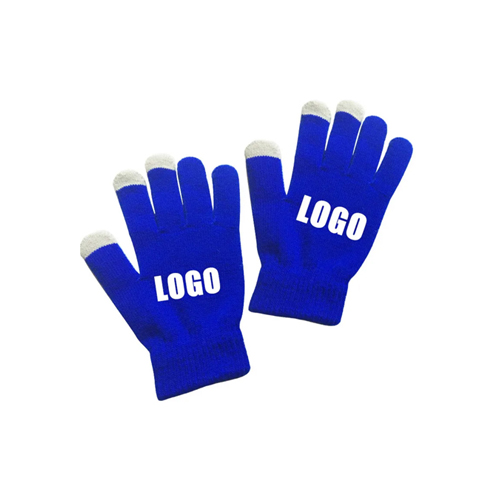
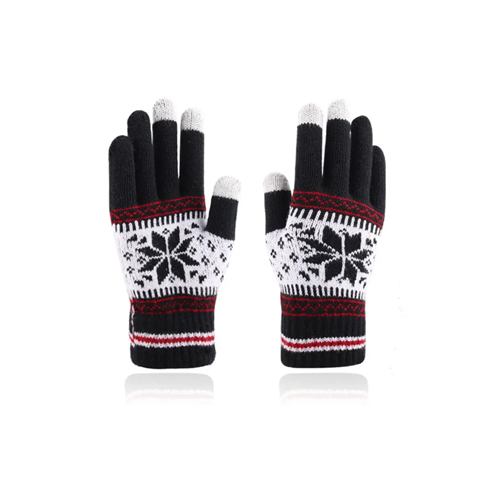
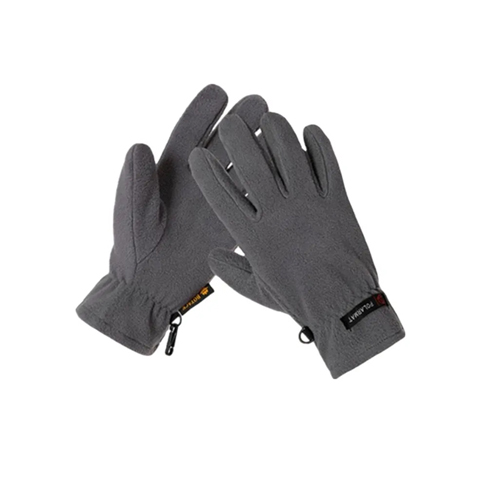
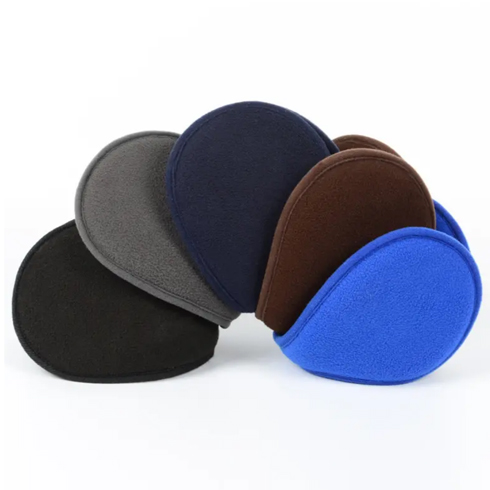
Neck warmers often sell with beanies, scarves, gloves, and earmuffs. Coordination can increase average order value and simplify merchandising, but it requires deliberate specification management. The same Pantone reference may look different on dyed fleece, knitted acrylic, embroidery thread, woven labels, and printed packaging. Buyers should approve each material separately while reviewing the complete set under consistent lighting.
Shared yarn can create a strong coordinated beanie, scarf, and knitted neck-warmer set. Shared fleece can support neck warmers, scarves, and selected hat linings. However, using one material everywhere may reduce performance. A beanie may need elasticity, a scarf may need drape, and a neck warmer may need stretch and recovery. Coordination should focus on visual identity and user experience, not on forcing one construction across all products.
Packaging can be standardized through a common hangtag system, barcode layout, carton marking, and brand story. Keep product-specific care and fiber information accurate. If items are sold as a set, confirm whether the packaging, labeling, and testing requirements change in the destination market.
Inventory planning should consider seasonality and replenishment. Core colors can carry larger quantities, while trend colors can be limited. A supplier may help consolidate production or shipping, but the buyer should understand which products have the longest material lead time. Knitted jacquard, custom-dyed yarn, specialty patches, and recycled certified materials may need earlier commitment than standard fleece colors.
A sample approval workflow is a controlled sequence that turns a concept into an approved standard for bulk production.
Request brief: Send quantity, target market, use case, size, material preference, artwork, packaging, target delivery date, and testing requirements.
Feasibility review: Ask the supplier to identify risks, alternatives, material minimums, and processes that require subcontracting.
Material approval: Approve fabric swatches, yarn cards, lab dips, weight, hand feel, stretch, and relevant certificates before full sample production.
Prototype sample: Review overall design and construction. Record every comment in one document with photos and measurements.
Revised sample: Confirm corrections and decoration on production-intent material.
Pre-production sample: Approve the final standard using confirmed bulk material, labels, packaging, and color references whenever practical.
Production file: Freeze the specification, bill of materials, artwork, packing instructions, testing plan, and approved sample references.
Inline inspection: Check material, dimensions, seam quality, and decoration early enough to correct process drift.
Final inspection: Apply the agreed sampling plan and verify quantity, assortment, packaging, and shipping marks.
Version control is essential. Every revision should show a date and version number. Email approvals should refer to the same version as the factory file. If the buyer changes artwork, packaging, or size after approval, the supplier should issue an updated specification and explain the impact on price and timing.
This FAQ answers common buyer questions about neck warmer materials, customization, sampling, quality, and bulk ordering.
The terms often overlap. A neck warmer usually emphasizes warmth and may be made from fleece or knit fabric. A neck gaiter often describes a tubular, multifunctional product that can cover the neck, lower face, or head. For procurement, the name matters less than the specification. Buyers should define dimensions, material, stretch, seam, wearing methods, and performance requirements so the supplier produces the intended product.
Fleece is often better for soft warmth, efficient production, printed options, and value-focused winter programs. Knitted fabric is often better for texture, stretch, jacquard patterns, and coordinated fashion collections. The best choice depends on climate, activity, brand positioning, logo method, packing volume, wash requirements, and target price. Comparing physical samples under real-use conditions is more reliable than choosing by catalog photo.
Send expected quantity, finished size, adult or youth range, material composition, target fabric weight or yarn type, color count, logo artwork, decoration method, packaging, required tests, delivery location, incoterm, and target date. State whether recycled-content or harmful-substance certification is mandatory. A complete request reduces quotation gaps and makes supplier comparisons more accurate.
Approve a production-intent fabric, define the required pilling test method and grade, inspect brushing consistency, and test the decorated product after washing. Material weight alone does not guarantee pilling performance. The buyer should also control fabric lot, finishing, seam friction points, packaging compression, and care instructions. ISO 12945-2 is a recognized method for evaluating pilling, fuzzing, or matting using a modified Martindale approach.
Yes, recycled polyester can be used in suitable fleece and knitted constructions. The buyer should distinguish between a material claim and a certified chain-of-custody claim. Ask for valid transaction or scope documents when certification is required, verify the certified factory and process, and ensure labels and marketing language match the evidence. Recycled content may affect material availability, shade, minimum lot, and lead time.
Approve the material, dimensions, color, construction, decoration, labels, packaging, testing plan, and golden sample before production. Use a written specification with tolerances and version control. Conduct inline inspection for early process issues and final inspection using an agreed sampling plan. Confirm carton assortment and shipping marks as carefully as product workmanship because packing errors can delay retail or event programs.
The following external sources provide additional information on textile care labeling, pilling assessment, and harmful-substance testing:
A successful neck warmer wholesale program begins with a measurable product definition, not a generic request for a warm accessory. Fleece and knitted constructions can both create strong products, but they solve different commercial problems. Fleece usually supports efficient warmth, broad graphic options, and practical bulk programs. Knitted construction supports stretch, texture, jacquard branding, and coordinated fashion collections.
The buyer’s advantage comes from controlling the specification, approving production-intent materials, selecting relevant tests, defining inspection criteria, and comparing quotations on the same basis. JIBIL can support custom winter-accessory development across neck warmers, beanies, scarves, gloves, and related categories, but the strongest result will come when the buyer supplies a clear brief and treats sampling as a technical approval process. Before requesting a final quote, prepare the quantity, size range, material preference, artwork, packaging, destination market, testing requirements, and delivery date. Those details allow the supplier to propose a solution that is commercially realistic and easier to reproduce at scale.