





Tel:
+86-0511-88891902

What are you looking for?
Ski resorts invest heavily in static branding—signage at the base lodge, logos on lift tickets, banners at race courses, and digital advertising that reaches guests before they arrive. But once those guests are on the mountain, the most visible brand surfaces are not signs or screens. They are people. Instructors leading groups down beginner runs, rental shop staff fitting boots at the counter, ski patrol moving through crowds, and guests photographing each other on chairlifts—these are the moments when a consistent, well-designed visual identity creates the strongest brand impression, and the moments when most resorts have no branded presence at all.
A custom ski balaclava changes this equation. It places the resort logo directly in action—on the slopes, in ski school groups, in rental queues, and in the social media photos that guests share with their networks. For ski resorts, ski schools, winter camps, mountain hotels, and rental operations competing on guest experience and brand identity in 2026, a custom balaclava program is simultaneously a uniform component, a hygiene solution, a retail product, and a marketing asset. For buyers sourcing from balaclava China suppliers, Jibil offers wholesale balaclava products with custom logo options, OEM support, and bulk order capability for resort, school, and promotional programs.
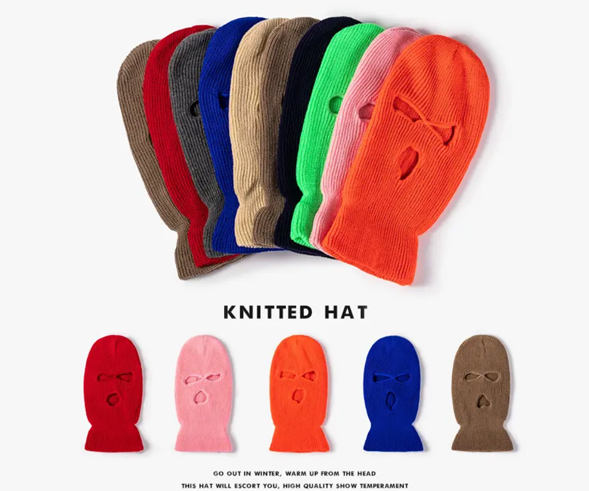
The branding logic of a custom ski balaclava is straightforward: it is worn on the most visible part of the body, in the most photographed environment of the winter sports experience, by the people who represent the resort's service quality most directly.
The visibility advantage on the mountain
A ski instructor wearing a branded balaclava is a moving advertisement that appears in every guest's field of view during a lesson, in every photo taken on the slope, and in every social media post that guests share from the mountain. Unlike a jacket or vest that may be covered by a coat, a balaclava is always visible—it is the outermost layer on the face and head, the part of the body that appears in every portrait-orientation photo taken on a ski slope.
For ski schools, the visual consistency of matching balaclavas creates an immediate professional impression that distinguishes the school's instructors from recreational skiers. A group of students and instructors wearing matching branded balaclavas looks organized, professional, and trustworthy—qualities that directly influence parents' decisions about ski school enrollment and guests' perceptions of resort quality.
The social media amplification effect
Ski resort photography is inherently social. Guests photograph each other constantly—on chairlifts, at the top of runs, in ski school groups, and at après-ski venues. A well-designed branded balaclava appears in these photos organically, without any additional marketing effort from the resort. When guests post these photos to Instagram, TikTok, or Facebook, the resort's branding travels with them to audiences that the resort's own marketing may never reach.
Jibil's balaclava product page describes a winter warm, windproof, custom-logo ski mask style that fits resort branding, winter promotion, and ski school uniform programs—a product profile designed for exactly this visibility application.
Beyond branding, a ski balaclava serves a practical function in rental operations that has direct financial value for resort operators: it acts as a hygiene liner between the guest's head and the rented helmet.
The helmet hygiene problem
Ski helmets are expensive assets—a quality rental helmet costs USD 80–150 or more, and a well-maintained rental fleet represents a significant capital investment. The primary factor that degrades the perceived cleanliness and comfort of rental helmets is not physical damage but biological contamination: sweat, hair products, makeup, and moisture that transfer from guests' heads into the helmet's interior padding during use.
Without a hygiene liner, a helmet that has been worn by multiple guests in a single day accumulates odor and moisture that is difficult to remove completely between rentals. Guests who are aware of this—and many are—feel uncomfortable about shared rental helmets, which affects their perception of the rental experience and the resort's hygiene standards.
The balaclava solution
A branded balaclava offered or sold at the rental counter as a required or recommended helmet liner creates a physical barrier between the guest and the helmet padding. The balaclava absorbs sweat and moisture, protecting the helmet's interior from contamination. The guest takes the balaclava home after the rental—or washes it for reuse—while the helmet remains clean and odor-free for the next guest.
This hygiene benefit has measurable financial value: it extends the effective service life of helmet liners, reduces the frequency of deep-cleaning interventions, and improves guest satisfaction scores related to rental equipment cleanliness. A branded balaclava sold at the rental counter for USD 8–15 generates retail revenue while simultaneously protecting a USD 100+ helmet asset—a compelling ROI argument for any rental operation.
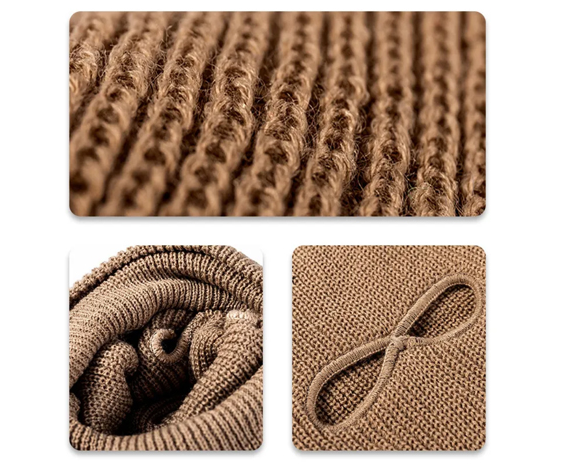
When sourcing custom balaclavas for resort programs, buyers should define both performance and branding requirements before placing a bulk order. A balaclava that looks good in a product photo but fits poorly under a helmet, loses its logo after three washes, or uses fabric that causes discomfort during active skiing will generate negative guest feedback that undermines the branding investment.
Complete Specification Checklist
| Specification | What to Confirm | Why It Matters |
|---|---|---|
| Material | Acrylic, polyester, fleece, spandex blend, knit fabric | Determines warmth, stretch, and comfort |
| Style | Full-face, 3-hole, open-face, neck warmer type | Matches ski school, rental, or retail use |
| Warmth level | Lightweight, midweight, thickened winter style | Fits climate and guest activity level |
| Wind protection | Knit density, fleece lining, face coverage | Improves slope comfort |
| Helmet compatibility | Low-bulk fit under ski helmets | Prevents pressure points and discomfort |
| Logo method | Embroidery, woven label, jacquard, heat transfer, patch | Controls brand visibility and wash durability |
| Color matching | Resort Pantone colors or team colors | Builds unified visual identity |
| Sizing | Adult, youth, one-size stretch, custom size | Fits guests, instructors, and students |
| Packaging | Retail bag, gift box, rental pack, private label | Supports resale and promotion |
| Wash durability | Logo retention after repeated washing | Protects branding investment over the season |
Material Selection Guidance
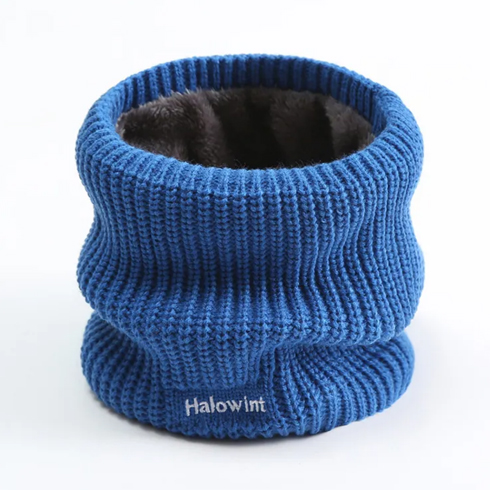
For ski school uniforms and staff use where durability and repeated washing are priorities, a polyester-acrylic blend with embroidered logo provides the best combination of wash durability, color retention, and logo permanence. For rental hygiene liners where cost per unit is the primary consideration, a lightweight knit acrylic with woven label is appropriate. For premium retail and VIP gift applications, a thickened fleece-lined style with jacquard logo or precision embroidery creates the premium perception that justifies a higher retail price.
Jibil's page indicates contact support for bulk orders and OEM requirements, with customization options covering quantity, material, color, size/dimensions, artwork design method, and packaging—a full OEM capability that supports the range of resort program requirements described above.
Ski School Uniforms
Providing instructors and students with matching branded balaclavas creates a safer, more professional, and easier-to-identify group appearance on crowded slopes. For ski schools that charge premium rates for instruction, the visual professionalism of a uniformed team directly supports the perceived value of the service. Parents enrolling children in ski school are more confident when the instructors look organized and professional—and a matching balaclava is one of the most visible elements of that professional appearance.
Helmet Rental Hygiene Liner Program
Selling or including branded balaclavas as a hygiene liner at the rental counter addresses the guest hygiene concern while generating retail revenue and protecting helmet assets. The program can be structured as a mandatory inclusion in the rental fee, an optional add-on at a nominal price, or a retail item sold separately at the rental counter. Each structure has different revenue and guest experience implications that resorts should evaluate based on their specific rental operation model.
Resort Retail Shops
A custom balaclava positioned as an affordable, high-margin souvenir item in the resort shop combines practical utility with brand visibility. Unlike a t-shirt that guests wear only in warm weather, a balaclava is used during the ski trip itself—creating immediate brand exposure—and is useful in subsequent winters, extending the brand's reach beyond the resort visit. Retail pricing of USD 15–25 for a quality branded balaclava is achievable with appropriate packaging and brand presentation.
VIP Welcome Kits and Corporate Retreats
Adding branded balaclavas to winter welcome kits for hotel guests, club members, ski camp participants, or corporate retreat groups creates a premium first impression that sets the tone for the guest experience. A welcome kit that includes a branded balaclava, a resort map, and a lift ticket holder communicates that the resort has invested in the guest's comfort and experience—a perception that influences satisfaction scores and repeat visit likelihood.
Winter Events and Sponsorship Activations
Race events, snow festivals, brand activations, and influencer campaigns all benefit from branded balaclavas as promotional items. A balaclava distributed at a race event is worn during the event—creating immediate, high-visibility brand exposure in a photographed environment—and is kept and used by recipients afterward, extending the promotional reach beyond the event itself.
Staff and Patrol Visibility
Custom color-coded balaclavas help make staff, guides, ski patrol assistants, and event teams more visible on crowded slopes. Color coding by role—blue for instructors, red for patrol, yellow for event staff—creates an immediate visual communication system that improves guest navigation and safety awareness without requiring additional signage.
Procurement Workflow
Step 1: Define the use case and quantity by category. Ski school uniforms, rental hygiene liners, retail stock, staff uniforms, and event giveaways have different quantity requirements, style preferences, and budget parameters. Define each category separately before requesting a consolidated quotation.
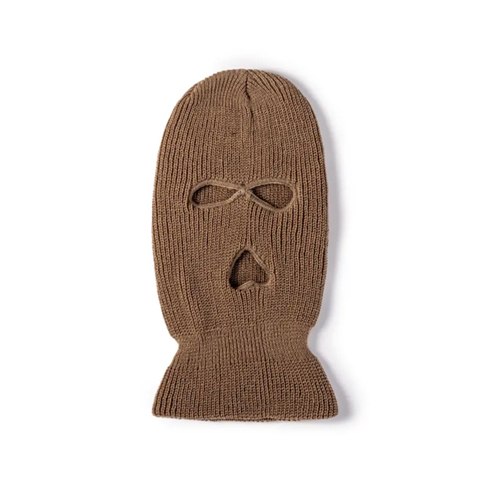
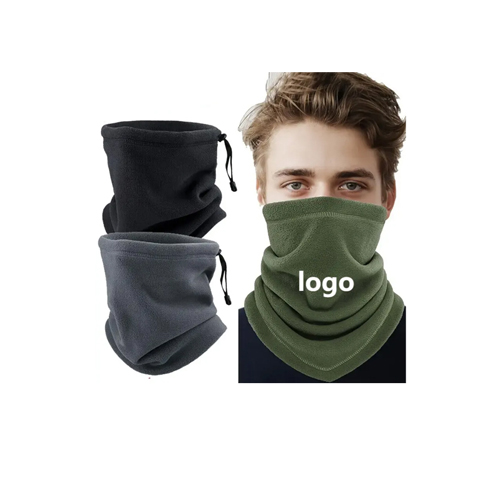
Step 2: Choose the style for each use case. Three-hole ski mask for maximum coverage in ski school and staff applications; open-face balaclava for helmet comfort in rental liner applications; neck-warmer style for flexible retail use; fleece-lined type for colder alpine climates.
Step 3: Confirm brand design requirements. Logo position (forehead, side, back), color matching to resort Pantone colors, logo application method (embroidery for durability, jacquard for premium appearance, woven label for cost efficiency), and packaging design for retail applications.
Step 4: Request and approve samples. Test fit under the resort's rental helmets to confirm no pressure points. Evaluate logo visibility at slope distance. Assess fabric softness, stretch recovery, and breathability during active movement. Wash the sample three times and evaluate logo retention and fabric condition.
Step 5: Place the bulk order with confirmed size ratios, packaging specifications, shipping method, and delivery deadline aligned with the season start date.
Step 6: Plan inventory allocation. Rental counter stock, ski school allocation by instructor and student count, retail shop opening inventory, staff uniform reserve, and event giveaway quantity.
TCO and ROI Advantages
Helmet protection value: a balaclava liner program that extends the effective service life of rental helmet liners by one additional season across a fleet of 200 helmets—at a replacement cost of USD 20 per liner—generates USD 4,000 in avoided replacement cost. Against a balaclava program cost of USD 2–4 per unit at wholesale, the helmet protection ROI alone can justify the program investment.
Retail revenue contribution: a resort shop selling 500 branded balaclavas per season at USD 18 retail with a USD 5 wholesale cost generates USD 6,500 in gross margin—a meaningful contribution to accessory retail revenue from a single SKU.
Brand visibility value: the organic social media exposure generated by guests wearing branded balaclavas in slope photos is difficult to quantify precisely but consistently observed by resorts that implement balaclava programs. A single viral photo featuring a resort's branded balaclava can reach audiences that paid advertising cannot target at any comparable cost.
A custom ski balaclava is one of the most cost-effective branding investments available to ski resorts, ski schools, and winter sports operators. It functions simultaneously as a warmth and wind protection layer, a helmet hygiene liner, a ski school uniform component, a retail souvenir, and a slope-side advertising asset that travels with guests into every photo they take on the mountain. For buyers sourcing from balaclava China suppliers, Jibil offers wholesale balaclava products with custom logo options, full OEM customization capability, and bulk order support for resort, school, rental, and promotional programs.
Visit the Jibil Balaclava Wholesale product page to request a custom ski balaclava configuration and quotation.
Please submit the following details for an accurate recommendation:
Work condition: Ski resort, ski school, helmet rental, winter camp, retail shop, hotel gift, event promotion
Quantity: Sample order, ski school batch, rental counter stock, retail bulk order, or seasonal forecast
Size/spec: Style (3-hole/open-face/neck warmer), fabric, thickness, color, logo method, size range, packaging, label or private-label requirements
Target metrics: Brand visibility, helmet hygiene protection, guest comfort, retail margin, delivery deadline, wash durability
Current problems: Weak resort branding, inconsistent ski school appearance, helmet hygiene concerns, low souvenir sales, poor winter accessory quality, inconsistent logo durability
1. What is a ski balaclava?
A cold-weather head and face covering worn under a ski helmet or on its own to provide warmth, wind protection, and comfort during winter sports. In resort applications, it also functions as a hygiene liner between the guest and rented helmet padding, and as a branded uniform component for ski school instructors and staff.
2. Ski balaclava vs. neck warmer vs. beanie: which is better for resorts?
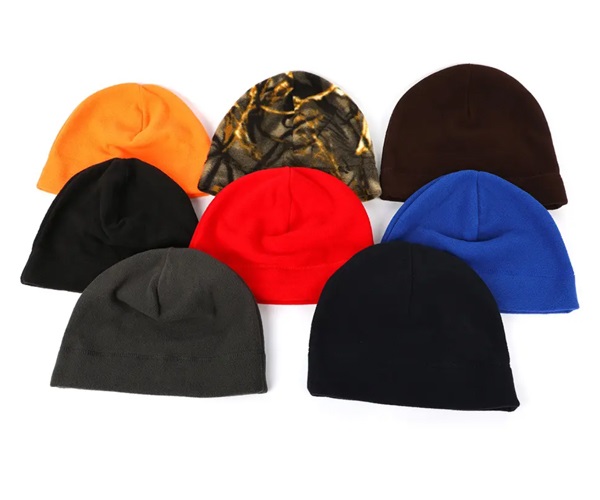
A ski balaclava offers the most complete head, face, and neck coverage, making it the best choice for ski school uniforms, helmet rental hygiene liners, and staff visibility applications where full coverage and consistent appearance are priorities. A neck warmer is more flexible for retail use and casual wear. A beanie is better for off-slope casual wear but provides no face coverage for slope conditions. For resort branding programs that need to work on the mountain, the ski balaclava delivers the strongest visual impact and practical utility.
3. What is the ROI of custom ski resort balaclavas?
ROI comes from multiple sources: stronger brand visibility through organic social media exposure, improved ski school professionalism that supports premium pricing, better guest hygiene perception that improves rental satisfaction scores, reduced helmet liner replacement cost from balaclava hygiene protection, and retail margin from souvenir sales. The combination of these revenue and cost-saving contributions typically makes a well-structured balaclava program one of the highest-ROI branded merchandise investments available to ski resorts.
4. Do custom balaclavas require new product development?
Not always. Resorts can start with existing wholesale balaclava styles from Jibil's range and customize logo, color, label, or packaging without new product development—the fastest and lowest-cost path to a branded program. Fully custom fabrics, patterns, or structural designs require sampling and longer lead time. Most resort programs are well-served by customizing existing styles with resort-specific branding.
5. What parameters are needed for correct selection and quotation?
Intended use (ski school/rental liner/retail/staff uniform/event giveaway), quantity by category, fabric preference, thickness level, color requirements and Pantone references, logo method (embroidery/jacquard/woven label/heat transfer), size range (adult/youth/one-size), packaging format, target delivery date, budget per unit, and current issues such as helmet odor problems, inconsistent branding, low retail conversion, or poor logo durability after washing.