





Tel:
+86-0511-88891902

What are you looking for?
In a crowded accessories market, branding details are what turn basic baseball caps into premium, recognizable products. Two of the most requested decoration methods today are 3D puff embroidery and laser-cut patches — each with different costs, lead times, durability, and visual impact. If you are sourcing baseball caps China for retail, promotional, or private-label programs, this guide helps you choose the right method for your logo and target customer before sampling begins.
Before choosing a decoration method, the decision should be framed by brand positioning and logo type — not just cost.
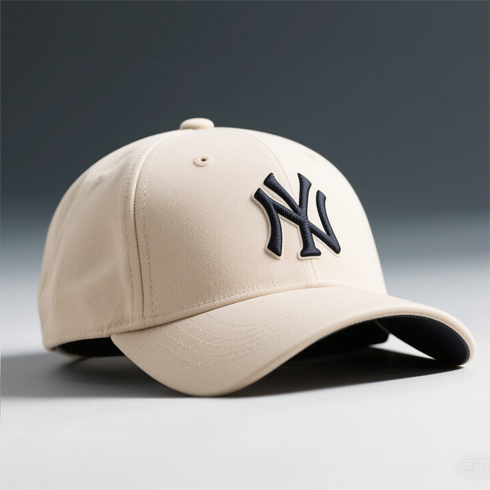
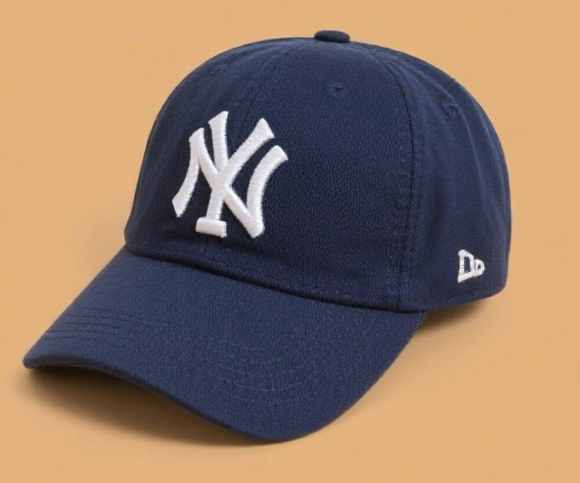
3D puff embroidery places a foam underlay beneath the embroidery thread, pushing the stitched design up off the fabric surface. The result is a raised, tactile logo with visible dimensionality. It is made on the cap itself and becomes part of the garment.
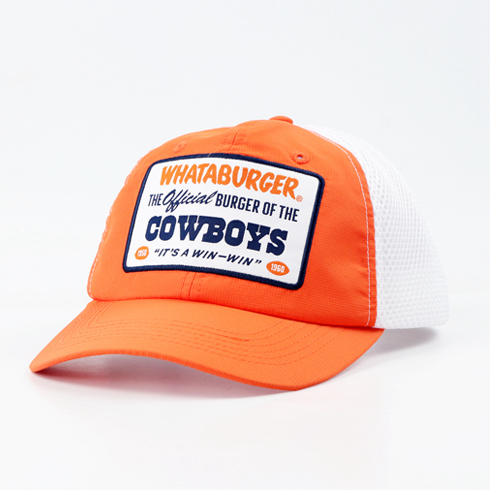
A laser-cut patch is a separate piece — cut from PU leatherette, microfiber, felt, TPU, or woven material using a laser cutter that produces clean, precise edges — which is then attached to the cap by stitching, heat bonding, or Velcro.
Matching Method to Brand Positioning
| Brand Positioning | Better Method | Why |
|---|---|---|
| Bold streetwear statement logo | 3D puff embroidery | Raised, chunky lettering reads well from a distance and has strong visual presence |
| Premium minimalist badge | Laser-cut patch | Clean edges, material weight, and refined finish communicate craftsmanship |
| Mass promotional program | 3D puff | Lower per-unit cost at volume; no patch sourcing or attachment step |
| Boutique retail or capsule drop | Laser-cut patch | Distinctive, photography-friendly, and difficult to replicate cheaply |
| Team or crew merch | Either — logo dependent | Simple bold marks: puff; detailed crests or multi-element logos: patch |
Placement Options
Both methods work across front panel, side panel, back arch, and underbrim placements. Front panel is the dominant branding position for both. Patches are particularly effective on side panels where a badge-style application looks intentional rather than secondary.
3D puff embroidery is the standard branding method for streetwear and athletic-inspired baseball caps globally — and one of the most consistently requested options through baseball caps China production.
The foam underlay that creates the raised effect works best with designs that have:
Bold, thick letterforms — block fonts, varsity letters, and sans-serif type perform best
Simple shapes — geometric logos, numerals, and clean icons translate well
Limited fine detail — fine lines and small type lose definition when stitched over foam
Design Rules to Follow
| Design Element | Guideline | Why |
|---|---|---|
| Minimum line thickness | 4 mm or wider for foam-covered stitching | Thinner lines lose definition; foam fills the space |
| Letter spacing | 1.5–2 mm minimum between characters | Prevents stitch coverage from merging adjacent letters |
| Font recommendation | Block, varsity, or rounded sans-serif | Thin serifs and script fonts do not hold up well in puff |
| Color count | Each color change is a separate stitch run | More colors increase run time and cost |
| Logo height | 30–60 mm is the typical sweet spot for front panel | Too small loses the 3D effect; too large can look disproportionate on some cap styles |
Durability Notes
3D puff embroidery is durable when stitched correctly. The main risks are foam compression during tight packaging (use loose packing or shape-protecting bags), and thread pulls from rough handling. Advise end customers to wash caps inside-out, cold, and air dry to preserve foam height over time.
Laser-cut patches offer a different visual language — precision, material weight, and a finished edge that embroidery cannot replicate. They are increasingly popular in premium streetwear, heritage brands, and any program where logo detail or material storytelling is important.
Patch Material Options
| Material | Look and Feel | Best Application |
|---|---|---|
| PU leatherette | Smooth, structured, modern | Premium streetwear, logo-forward programs |
| Microfiber suede | Soft, matte, tactile | Lifestyle and fashion positioning |
| Felt | Thick, artisan, color-rich | Heritage, vintage, and casual programs |
| Woven patch | Fabric texture with embroidered-style finish | Mid-range; good for multi-color detailed logos |
| TPU or silicone | Rubberized, dimensional, waterproof feel | Activewear, outdoor, and sport-inspired lines |
Why Laser Cutting Delivers Sharper Detail
A laser cutter follows vector artwork to the exact path — there is no tool deviation or edge fraying. Complex shapes, fine lines, script type, and multi-element crests that would distort or fill in with embroidery remain crisp on a laser-cut patch. This is the single biggest advantage of the method for brands with detailed logos.
Attachment Methods
| Method | Security | Cost | Notes |
|---|---|---|---|
| Stitch-on (perimeter stitch) | Highest | Moderate | Most durable; standard for retail programs |
| Heat-press adhesive backing | Good | Lower | Requires correct heat and pressure; test adhesion before bulk |
| Velcro backing | Interchangeable | Higher | Allows patch swapping programs; popular for customizable caps |
Understanding cost drivers allows buyers to make informed trade-offs rather than accepting a quote without context.
Cost Drivers for 3D Puff Embroidery
| Variable | Cost Impact |
|---|---|
| Stitch count | Higher stitch count = longer run time = higher cost |
| Foam thickness | Thicker foam requires more stitching to cover; affects cost and height |
| Color changes | Each color thread change adds setup time |
| Digitizing fee | One-time setup cost; amortizes across larger orders |
| Logo complexity | Complex shapes require more stitch passes to cover foam cleanly |
Cost Drivers for Laser-Cut Patches
| Variable | Cost Impact |
|---|---|
| Patch material | PU and TPU cost more than felt or basic microfiber |
| Patch size | Larger patches use more material and require more stitching for attachment |
| Laser cutting complexity | Intricate fine-detail cuts take longer to run |
| Attachment method | Velcro adds the most; stitch-on is standard |
| Color count on patch | Printed or debossed patches with multiple colors add processing steps |
Sampling Workflow
Artwork submission (vector file preferred) → digitizing for puff or patch proof → pre-production sample on actual cap → buyer approval → bulk production. Allow two to three weeks for the sampling stage before bulk timeline begins. For patches, request a physical patch sample before cap assembly to approve material, color, and edge quality independently.
Reorder Consistency
For 3D puff: confirm the digitizing file is saved and the thread color references are locked. For patches: confirm the material batch or request a material retention sample — leatherette and microfiber can shift in color and texture between production runs.
Both decoration methods have distinct failure points. Define accept criteria on the pre-production sample — not at delivery.
QC Checklist for 3D Puff Embroidery
| Check | Accept Criteria |
|---|---|
| Foam coverage | Thread fully covers foam; no foam visible at any edge |
| Stitch consistency | Even tension; no thread breaks or loose loops |
| Logo height | Consistent across all units; no flat areas indicating foam shift |
| Edge definition | Clean logo outline; no stitch overflow onto surrounding fabric |
| Panel distortion | Front panel flat; no puckering or pulling from stitch tension |
| Color accuracy | Match to approved thread color reference |
QC Checklist for Laser-Cut Patches
| Check | Accept Criteria |
|---|---|
| Cut precision | Edges match artwork exactly; no deviation or drag |
| Edge sealing | Laser-sealed edge; no fraying on PU or microfiber |
| Adhesion (heat-press) | Patch does not lift at corners after standard peel test |
| Stitch alignment (stitch-on) | Perimeter stitch even; no exposed patch edge |
| Color consistency | Matches approved sample under standard lighting |
| Placement accuracy | Within plus or minus 3 mm of specified position |
Cap Base Quality That Affects Branding Results
The decoration can only look as good as the cap it is applied to. Confirm:
Front panel buckram — firm buckram holds 3D puff without collapsing; floppy panels distort the logo
Fabric quality — smooth, tight weave shows embroidery cleanly; loose weave can bleed thread outline
Sweatband — cotton sweatband is the standard for comfort; check for secure attachment
Closure durability — test buckle, Velcro, or snapback adjuster for 30+ open/close cycles
Both decoration methods can elevate baseball caps from generic to branded — but the right choice depends on your logo, your customer, and the story you want the product to tell. 3D puff embroidery delivers bold, tactile impact that reads well on streetwear and athletic positioning. Laser-cut patches offer sharper detail, material character, and a badge aesthetic that photographs beautifully for premium and boutique programs.
Q1: Which looks more premium on baseball caps — 3D puff embroidery or laser-cut patches?
Both can achieve a premium result when executed correctly. 3D puff feels bold, tactile, and classic — it communicates confidence and is a strong choice for streetwear and athletic brands. Laser-cut patches feel precise, modern, and material-rich — they suit brands that want a badge-style identity or have detailed logos that require sharp edge definition. The decision should be driven by logo type and brand positioning rather than a universal premium ranking.
Q2: Is 3D puff embroidery suitable for small or detailed logos?
It performs best with bold, thick letterforms and simple shapes. Very fine details — thin serifs, script fonts, intricate line work — tend to lose clarity when stitched over foam because the foam coverage fills in narrow spaces. If your logo has fine detail, a laser-cut patch or flat embroidery will produce a cleaner result.
Q3: Are laser-cut patches durable enough for daily wear?
Yes, when the material and attachment method are correctly specified. Stitch-on patches with a full perimeter stitch are the most durable option and are suitable for retail programs. Heat-press patches require careful adhesion testing and QC before bulk; they can delaminate at corners if not applied with correct temperature and pressure.
Q4: What information should I send a supplier to get a quote for custom baseball caps?
Cap style (6-panel or 5-panel), fabric and color, closure type, total quantity and color breakdown, vector logo artwork, preferred decoration method, placement position, and any packaging requirements. The more complete the brief, the faster and more accurate the quote.
Q5: How do I reduce risk when ordering baseball caps China in bulk?
Approve a physical pre-production sample before authorizing bulk production — not just a digital mockup. Define written QC acceptance criteria for the decoration method, confirm packaging specification to protect cap shape and decoration during shipping, and lock the thread color reference or patch material batch for reorder consistency.